• Home
  • About Journal
  • Editorial Board
  • Author
    Instruction
    Copyright Agreement
  • Ethcis Statement
  • Subscribe
  • Contact
  • 中文
Volume 27,2026 Issue 8 indexed by 中国科学引文数据库 中国学术期刊综合评价数据库 CA化学文摘(美)(2014) JST 日本科学技术振兴机构数据库(日)(2018)

Featured Articles
Recommended Topics
  • Formation and Development of Crop Germplasmics
  • Evaluation of Cold Tolerance at the Germination Stage and Screening of Cold-Tolerant Germplasm in Maize Inbred Lines
  • The History and Current Situation of Loquat Cultivation in China
  • Mining of Gene Resources in Crops: Advances and Prospects
  • Introduction of Maize Germplasm Resources: Current Situations and Prospects
  • Differences of Cold Tolerance at Early Growth Stages for Indica Rice Varieties Developed in Different Years
  • Heterosis Groups Classification of Waxy Germplasm Maize Inbred Lines by SLAF-seq Technology
  • Research Progress and Applications of CRISPR/Cas9-Mediated Genome Editing in Improving Important Traits in Wheat
  • Genome-wide signatures of the geographic expansion and breeding of soybean
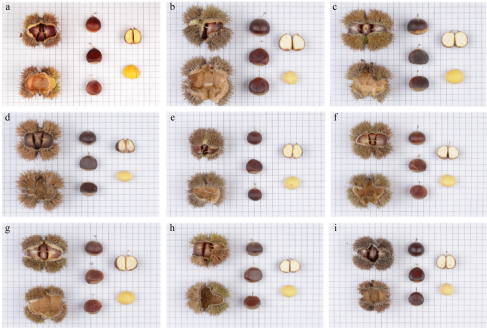
  • Genetic Diversity Analysis and Fingerprinting of Chestnut Varieties Based on Phenotypic Traits and SSR Markers
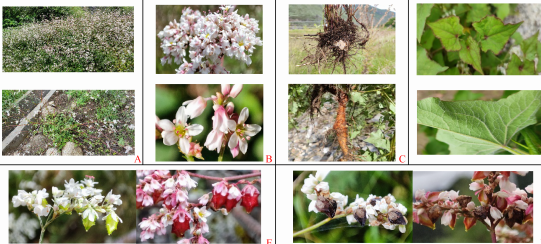
  • Survey and Collection of Wild Fagopyrum. cymosum Germplasm Resources in China
  • A transcriptional regulator that boosts grain yields and shortens the growth duration of rice
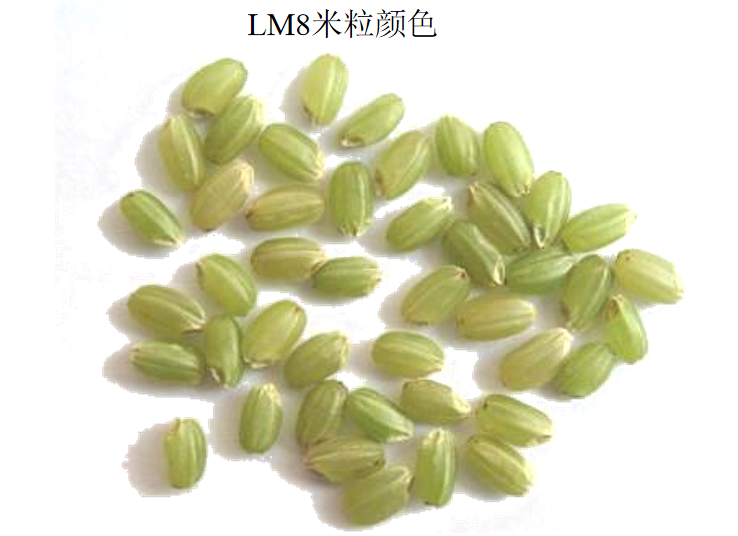
  • Discovery and Study of A Green Pericarp Germplasm in Rice
  • Author Login
  • Referee Login
  • Editorial Board Login
  • Editor Login

The Journal of Plant Genetic Resources is a bimonthly academic journal co-sponsored by the Institute of Crop Sciences, Chinese Academy of Agricultural Sciences,and China Association of Agricultural Science Societies .Tt is the only journal in China that mainly introduces plant genetic resources. Founded in 2000, officially launched in 2003, quarterly from 2000 to 2009, and bimonthly in 2010.

The contents of the report are field, horticultural crops, ornamental and medicinal plants, basic research on plant genetic resources, research results in applied research, innovative academic papers, and high-level reviews or reviews of forest plants, grass plants and all their economic plants. For example, the investigation, collection, preservation, evaluation, utilization, innovation, Informatics, management, etc. of germplasm resources; Systems of origin, evolution, classification, etc.; Gene excavation, identification, cloning, establishment of gene libraries, and research on genetic diversity.

  • Current Issue
  • Online First
  • Archive
  • Special issue
  • Most Downloaded
    Article Search
    Search by issue
    Select AllDeselectExport
    Display Method:
    Review
    Conservation and Utilization of Crop Germplasm Resources: Trends and Prospects
    LI Yu, LI Chunhui, XIN Xia, WU Jing
    2026,27(8):1485-1497 ,DOI: 10.13430/j.cnki.jpgr.20260401001
    [Abstract] (0) [HTML] (0) [PDF 751.38 K] (0)
    Abstract:
    Crop germplasm resources are not only critical to breaking through current bottlenecks in breeding and the development of the seed industry, but also vital to the sustainable and high-quality survival of future generations. The cause of crop germplasm resources is a long-chain systematic undertaking with public welfare and strategic significance. A review of the international development of crop germplasm resources reveals the following trends: germplasm collecting is moving toward diversified gap-filling development; germplasm conservation is advancing toward multi-dimensional and secure management; germplasm characterization is upgrading to large-scale and precise evaluation; germplasm enhancement is expanding toward targeted and diversified approaches; basic research is progressing toward in-depth and interdisciplinary exploration; and germplasm sharing is extending toward standardized and regulated practices. On this basis, this paper puts forward the priorities and development directions for the conservation and utilization of crop germplasm resources in China in the future.
    Research Articles
    Phenotypic Differences in Alkaline Tolerance Among Japonica Rice Germplasm Resources from Different Geographical Origins
    XU Wei, YANG Chungang, ZHANG Qiang, MA Xiaoding, JIN Jinghua, HAN Bing, ZHANG Sanyuan, GUO Xiaohong, HAN Longzhi, CUI Di
    2026,27(8):1498-1510 ,DOI: 10.13430/j.cnki.jpgr.20260305001
    [Abstract] (1) [HTML] (0) [PDF 4.19 M] (1)
    Abstract:
    To investigate the effects of alkaline stress on leaf injury and seedling survival of japonica rice, and to clarify differences in alkaline tolerance among varieties from different geographic origins, a total of 437 japonica rice germplasm resources were evaluated for alkaline tolerance in an alkaline screening pool with a pH value of approximately 8.9 during 2016-2017, with repeated assessments conducted over two consecutive years. The dead leaf rate and dead seedling rate at the seedling stage were used as the primary indicators of alkaline tolerance. The results showed that both the dead leaf rate and dead seedling rate gradually increased with prolonged alkaline stress, and significant differences in alkaline tolerance were observed among different japonica varieties. The period of 15-25 days after alkaline stress treatment was identified as the critical stage for evaluating alkaline tolerance at the seedling stage, with higher phenotypic values, standard deviation, and coefficient of variation for dead leaf rate observed at 15 days, while those of dead seedling rate were higher at 25 days. Population-level analysis revealed a regional clustering pattern of alkaline tolerance. The dead leaf rates of materials from Heilongjiang and Jilin provinces in the Northeastern rice-growing region of China were 55.45% and 55.04%, respectively, and their dead seedling rates were 28.79% and 26.19%, respectively, indicating stronger alkaline tolerance at the seedling stage. Additionally, 20 alkaline-tolerant japonica rice germplasm accessions, including Kongyu 131 and Jijing 105, were identified using a two-year mean dead seedling rate≤13.33% and dead leaf rate≤45.66% as the screening criteria, providing valuable genetic resources for the improvement of japonica rice varieties adapted to saline-alkaline soils.
    Diversity Analysis of Flax Based on DUS Test Traits and Screening of Regional Standard Varieties
    CHEN Cuiping, LIU Yang
    2026,27(8):1511-1524 ,DOI: 10.13430/j.cnki.jpgr.20260119004
    [Abstract] (1) [HTML] (0) [PDF 3.14 M] (1)
    Abstract:
    To explore the diversity of flax germplasm resources based on DUS test traits and address the insufficient adaptability of NY/T 2562-2014 Guidelines for testing of distinctness, uniformity and stability of new plant varieties - flax in the Northwest Plateau region, this study employed diversity analysis, correlation analysis, cluster analysis and principal component analysis to investigate the genetic diversity of 285 flax germplasm resources based on DUS test traits and screen regional standard varieties. The results showed that the coefficient of variation for 14 quantitative traits (including initial flowering stage, plant height, etc.) of 285 flax germplasm accessions ranged from 4.91% to 29.55%, and the Shannon-Weaver diversity index varied from 1.021 to 2.073. The Shannon-Weaver diversity index of seven qualitative and pseudo-qualitative traits (such as corolla color and seed coat color, etc. ) ranged from 0.225 to 0.991, indicating rich genetic diversity among the tested flax varieties. Correlation analysis revealed significant synergistic variation relationships among traits of different floral parts, as well as between plant type and technical length. Cluster analysis classified the 285 flax varieties into six groups at a Euclidean distance of 20.13. Group Ⅰ had a high number of capsules per plant; Group Ⅱ featured uniformly white filaments; Group Ⅲ exhibited intermediate phenotypic levels; Group Ⅳ had shorter technical length; Group Ⅴ possessed taller plant height; Group Ⅵ showed lower 1000-kernel weight. Principal component analysis extracted seven principal components with a cumulative contribution rate of 74.502%. Finally, 20 representative flax varieties covering the full phenotypic code variation range of all 285 germplasm accessions were selected. This study provides a new perspective on the identification methods of flax germplasm resources and offers guidance for the regional selection of standard variety in flax DUS testing. In addition, by comparing with the UPOV DUS test guidelines for flax, this paper provides a reference for the revision of the national flax DUS test guidelines of China.
    Analysis and Comprehensive Evaluation of Phenotypic Genetic Diversity in 525 Linum usitatissimum L. Germplasm Resources
    DANG Zhao, ZHANG Jianping, WANG Limin, QI Yanni, WANG Ping
    2026,27(8):1525-1534 ,DOI: 10.13430/j.cnki.jpgr.20260228001
    [Abstract] (1) [HTML] (0) [PDF 3.07 M] (1)
    Abstract:
    To clarify the phenotypic variation of oil flax germplasm resources, we evaluated 525 domestic and foreign flax accessions via consecutive two-year field trials. A total of 7 qualitative traits and 17 quantitative traits were investigated for genetic diversity, correlation, principal component, and cluster analyses. The results showed that petal color exhibited the highest genetic diversity index (1.09) among qualitative traits, while stem base shape (0.35) and seed coat color (0.27) showed lower genetic diversity. For quantitative traits, seed weight per plant, number of fruits per plant, and 1000-seed weight presented high coefficients of variation (34.25%, 23.93%, and 20.48%, respectively), indicating considerable improvement potential. By contrast, capsule diameter (3.37%), oil content (4.76%), and protein content (5.92%) had low variation coefficients and represented relatively conservative core traits. Correlation analysis revealed extremely significant positive correlations of 1000-seed weight and seed weight per plant with capsule diameter and oil content, whereas plant height and technical length were extremely significantly negatively correlated with these yield-related traits. Additionally, linolenic acid content was extremely significantly positively correlated with protein content and negatively correlated with oleic acid and stearic acid contents, and both plant height and technical length showed extremely significant positive correlations with protein content. All germplasm were classified into five clusters based on agronomic performance: Cluster I (73 accessions) with superior comprehensive agronomic traits for oil-use breeding; Cluster II (51 early-maturing, high-oil accessions) for high-oil variety development; Cluster III (192 widely sourced and highly variable accessions) for fiber-oil dual-purpose breeding; Cluster IV (108 local germplasm) for gene mining; and Cluster V (101 fiber-type accessions) for fiber flax breeding. Principal component analysis yielded five principal components with a cumulative contribution rate of 73.47%, mainly reflecting yield- and quality-related quantitative traits. Ten elite germplasm including 1962 ROW 210 were finally screened based on comprehensive F-values. This study provides a theoretical basis and technical support for efficient utilization of flax germplasm resources, parental selection, and targeted flax breeding.
    Phenotypic Genetic Diversity Analysis and Comprehensive Evaluation of 348 Perilla Germplasm Resources in Guizhou
    PAN Jinwei, YANG Hang, XIANG Yi, RAO Qinglin, LI Huilin, FENG Bin, LIN Weihong, YU Erru
    2026,27(8):1535-1546 ,DOI: 10.13430/j.cnki.jpgr.20260204002
    [Abstract] (1) [HTML] (0) [PDF 2.23 M] (0)
    Abstract:
    To investigate the genetic variation in perilla germplasm resources across different regions of Guizhou and to facilitate the identification of superior traits and the breeding of high-quality varieties, this study analysed and evaluated 15 major quantitative traits in 348 perilla germplasm resources using methods such as genetic diversity analysis, correlation analysis, principal component analysis, cluster analysis and comprehensive scoring. The results showed that the coefficients of variation for the 15 traits ranged from 4.44% to 56.70%. Among these, the coefficients of variation for seed weight per plant and total number of ears per plant were relatively high, at 56.70% and 53.30%, respectively. The genetic diversity indices ranged from 0.99 to 2.01, with the highest indices observed for seed weight per plant, plant height and number of main stem nodes, at 2.01, 1.85 and 1.77, respectively. Correlation analysis revealed 52 pairs of significant or highly significant correlations among the 15 traits. In particular, seed weight per plant was significantly positively correlated with plant height, stem diameter, number of main stem nodes, total number of ears per plant and stearic acid content, and was highly significantly positively correlated with oil content and growth stage. Principal component analysis identified six principal components, with contribution rates of 19.14%, 14.03%, 11.10%, 9.24%, 8.53% and 7.46%, respectively, accounting for a cumulative total of 69.50%. Cluster analysis divided the 348 perilla germplasm resources into four groups: Group I comprises short-stalked, thick-stemmed plants with numerous spikes and a long main spike, and high linolenic acid content; Group II comprises plants with numerous branches, early maturity, relatively high oil content, and a balanced fatty acid composition; Group III comprises early-maturing plants with notably high protein and oleic acid content; Group IV comprises tall-stemmed, high-yielding, late-maturing, with high oil and stearic acid content. The 13 unique germplasm resources selected from these four groups provide a material foundation for the precise and efficient breeding of perilla and the in-depth exploration of superior genes.Based on an evaluation using the composite F-score, 15 perilla germplasm resources with an F-score of ≥1 and excellent overall traits were selected; these may serve as a reference for future perilla breeding.
    Analysis of Phenotypic Variation and Lobetyolin Content in Codonopsis pilosula and Its Hybrid Populations
    ZHANG Hui, ZHANG Ying, LI Tingyu, LIU Ting, ZHANG Huiping, FANG Jing, DUAN Tingting, SHI Xiaowen
    2026,27(8):1547-1561 ,DOI: 10.13430/j.cnki.jpgr.20260228002
    [Abstract] (1) [HTML] (0) [PDF 8.31 M] (0)
    Abstract:
    Codonopsis pilosula (Franch.) Nannf. and Codonopsis pilosula var. modesta (Nannf.) L.T.Shen are two major medicinal germplasm widely cultivated in Gansu province, China. Based on distant hybridization breeding, 35 accessions of each parent along with 127 F1 hybrid progenies derived from their cross were utilized as experimental materials. Thirteen morphological traits of roots, stems and leaves, along with the lobetyolin content in roots, were systematically measured and analyzed under indoor hydroponic conditions. The results demonstrated that the two parents exhibited no significant differences in the mean values of morphological traits, whereas C.pilosula showed a highly significantly higher lobetyolin content than C.pilosula var. modesta. However, the C.pilosula var. modesta population displayed a higher average genetic diversity index and average coefficient of variation than C.pilosula population. The F1 population achieved the highest average genetic diversity index (1.56) compared to both parents, while its average coefficient of variation was lower than that of the parents, indicating a more stable phenotypic structure with reduced fluctuation amplitude. Principal component and hierarchical cluster analyses revealed that the F1 population formed a novel trait combination structure. Most above-ground traits exhibited significant mid-parent and transgressive heterosis, presenting positive transgressive segregation. Lobetyolin content was weakly correlated with morphological traits within the parental populations. Crucially, within the F1 population, lobetyolin content showed highly significant positive correlations with root diameter, number of lateral roots, and root length (P<0.01). This study reveals that although the morphological differences between the two parental varieties are limited, their hybrid progenies display abundant phenotypic variation and structural reconfiguration between quality and morphological traits, providing a theoretical basis for germplasm innovation and indirect selection of superior agronomic traits in C.pilosula
    Analysis of Haplotype Variation of Rice OsWRKY70 Gene and Its Association with Cold Tolerance
    YI Chongfen, GUO Hui, HAO Liugen, WANG Zhenzhen, ZHANG Hongwei, GAN Yu, YANG Chunmiao, JIANG Jingwei, XIANG Guanlun, YANG Zhanlie
    2026,27(8):1562-1570 ,DOI: 10.13430/j.cnki.jpgr.20260316003
    [Abstract] (1) [HTML] (0) [PDF 4.25 M] (1)
    Abstract:
    OsWRKY70 is a key transcription factor in rice response to low-temperature stress. However, the genetic mechanism by which its natural variation regulates cold tolerance in rice remains unclear. This study analyzed the haplotype composition, population differentiation, and correlation with cold tolerance of the OsWRKY70 coding region based on "3K rice genomes project". The results showed that 26 SNPs exist in the OsWRKY70 coding region, constituting nine haplotypes, among which Hap1 (56.54%) and Hap2 (42.24%) were the dominant haplotypes. Population genetic analysis showed significant differentiation of this gene between indica and japonica rice subspecies (Fst=0.598). Hap1 was identified as the characteristic haplotype of indica rice (accounting for 83.10% of indica rice), while Hap2 was the characteristic haplotype of japonica rice (accounting for 98.71% of japonica rice). They contributed 99.98% of the population differentiation index, indicating that this locus is an important site for differentiation between indica and japonica rice. Geographical distribution analysis revealed that Hap1 is mainly distributed in tropical and southern subtropical regions, while Hap2 is more common in high-latitude, high-altitude areas and regions with frequent low temperatures. Cold tolerance phenotypic identification showed that the average survival rate of Hap2 (51.86%) was significantly higher than that of Hap1 (4.73%), indicating that Hap2 is significantly correlated with cold tolerance in rice seedlings, and this cold tolerance effect is more significant in the genetic context of japonica rice. This study clarified the association between natural variation in OsWRKY70 and differentiation between indica and japonica rice varieties, as well as cold tolerance. Five non-synonymous SNPs found between Hap2 and Hap1 provide a theoretical basis for genetic improvement of cold tolerance and the development of related molecular markers.
    Genome-wide Association Analysis of Soluble Sugar Content in Soybean Sprouts
    LI Yanming, WU Xintong, CHEN Qiang, LIU Zhi, SHI Xiaolei, MENG Zikuo, SHI Ainong, Li Na, CHEN Xueping, YAN Long
    2026,27(8):1571-1582 ,DOI: 10.13430/j.cnki.jpgr.20260311001
    [Abstract] (1) [HTML] (0) [PDF 5.97 M] (1)
    Abstract:
    To characterize phenotypic variation in soluble sugar content of soybean sprouts and to elucidate its genetic basis, we evaluated 188 improved soybean varieties from the Huang-Huai-Hai region. Soluble sugar content in germinated sprouts was accurately quantified in 2023 and 2024, followed by a genome-wide association study (GWAS) using SNP markers. Substantial phenotypic variation was observed, with soluble sugar content ranging from 1.67 to 20.94 mg/g and a coefficient of variation of 33.33% and 26.73%, indicating considerable genetic diversity for this trait. GWAS detected five loci significantly associated with soluble sugar content [-log10(P)≥5.86] across two years, located on chromosomes 2, 10, 12, 14, and 18. Within these regions, 18 candidate genes were identified, with functional annotations enriched in carbohydrate metabolism pathways, including gluconeogenesis and trehalose synthesis, as well as cell wall biosynthesis. Expression analysis further showed that four candidate genes were differentially expressed between high- and low-sugar materials, supporting their potential roles in regulating soluble sugar accumulation. Overall, this study reveals the phenotypic diversity and genetic architecture of soluble sugar content in soybean sprouts from the Huang-Huai-Hai region. The identified loci and candidate genes provide valuable resources for functional marker development and marker-assisted breeding aimed at improving sprout quality.
    Genetic Diversity and Association Analysis of Michelia macclurei in Southeastern Guangxi Based on Phenotypic Traits and Simple Sequence Repeat Markers
    LIU Jiazhe, LIANG Shiyao, SHEN Wenhui, ZHONG Yu, TAN Zhangqiang
    2026,27(8):1583-1593 ,DOI: 10.13430/j.cnki.jpgr.20260320002
    [Abstract] (1) [HTML] (0) [PDF 966.45 K] (1)
    Abstract:
    To clarify the phenotypic variation, genetic diversity, and population genetic structure of natural populations of Michelia macclurei in southeastern Guangxi, and to identify SSR markers associated with important phenotypic traits, this study used 120 superior tree resources collected from five natural populations in southeastern Guangxi as experimental materials. Thirteen phenotypic traits were measured, and genotyping was performed using 10 SSR primer pairs. Cluster analysis, population structure analysis, and a mixed linear model (MLM) were employed to evaluate genetic diversity and marker-trait associations. The results showed significant differences among the five populations in leaf morphological and physiological and biochemical traits. Among them, the BL population exhibited larger leaves and higher biomass, whereas the CW population showed significantly higher average malondialdehyde and free proline contents. The YL and LW populations showed the smallest phenotypic distance. A total of 77 alleles were detected using the 10 SSR primer pairs, with an average number of alleles of 7.70 and an average effective number of alleles of 3.72. The mean observed heterozygosity and expected heterozygosity were 0.53 and 0.66, respectively, and the mean polymorphism information content was 0.62. Among the five populations, the YL population showed the highest genetic diversity, whereas the high-altitude LW population showed the lowest. The average genetic differentiation coefficient among populations was 0.11, and average gene flow was 2.89. Genetic structure analysis indicated that the BL and YL populations retained relatively independent genetic components, whereas the remaining populations showed obvious genetic admixture. Association analysis detected six SSR loci significantly associated with phenotypic traits, with phenotypic variation explained ranging from 6.87% to 18.90%. Among them, locus M23 was significantly associated with multiple traits. This study revealed the genetic variation of M. macclurei in southeastern Guangxi, and the associated loci identified here can provide a theoretical basis for germplasm resources conservation, elite germplasm resources screening, and marker-assisted breeding of M. macclurei.
    Mining of Major Dwarfing Genes in Wheat and Strategies for Their Utilization in Breeding
    MO Guangyuan, NIE Jilu, ZHANG Beiyi, CAO Xiaoqing, ZHOU Shenghui, HAN Haiming, ZHANG Runqi, CHANG Lifang, LI Lihui, ZHANG Jinpeng
    2026,27(8):1594-1606 ,DOI: 10.13430/j.cnki.jpgr.20260317001
    [Abstract] (1) [HTML] (0) [PDF 3.80 M] (1)
    Abstract:
    Dwarf genes are key factors determining wheat plant height and lodging resistance, the widespread utilization of them has driven the global wheat Green Revolution. The identification and utilization of elite dwarf germplasm and genetic resources are crucial for the improvement of wheat breeding and industrial development. In this study, 2109 hexaploid wheat accessions from the National Crop Genebank, including landraces, cultivars, and introduced varieties were used as materials. By conducting field trials of plant height during 2023-2024 and 2024-2025 growing seasons and performing genotyping using a wheat 60K liquid capture SNP chip covering the whole genome, we performed genome-wide association studies (GWAS) using a mixed linear model (MLM). The results indicated that the tested germplasm exhibited abundant variation in plant height, with highly significant differences among different germplasm types. From this panel, 320 semi-dwarf, dwarf and ultra-dwarf accessions with plant heights below 85 cm were screened. Based on two growing seasons phenotypic data and best linear unbiased estimation (BLUE) values, four high-confidence association genomic regions were identified under Bonferroni correction. The associated loci on chromosomes 4B, 4D, and 2D co-localized with the classic dwarfing genes Rht1 (Rht-B1b), Rht2 (Rht-D1b), and Rht8, respectively, while a novel unreported locus, tentatively named QHt.caas-1B, was identified at chromosome 1B (Chr1B:332340447), with a significant independent dwarfing effect. Haplotype analysis indicated that 91.1% of modern cultivars possess the dwarf-type allele of QHt.caas-1B, demonstrating that the locus is frequently utilized in modern breeding. Furthermore, 248 accessions carrying specific functional haplotypes H2 (Rht2+Rht8+QHt.caas-1B), H3 (Rht1+Rht8+QHt.caas-1B), and H7 (Rht1+Rht2+Rht8+QHt.caas-1B) were screened from the 320 semi-dwarf, dwarf, and ultra-dwarf accessions for use in breeding. Based on large-scale wheat germplasm resources, this study elucidates the utilization patterns of wheat dwarfing genes from a whole-genome perspective, providing valuable genetic resources and elite parental lines for wheat dwarf breeding.
    Genome-wide Identification of Soybean TIFY Gene Family and Discovering of Candidate Genes Related to Seed Size
    SHI Yuxin, ZHOU Enqiang, WANG Yongqiang, ZHU Yuxiang, LI Zongdi, XUE Dong, YAO Mengnan, ZHAO Na, ZHOU Yao, WANG Xuejun, WANG Kaihua, MIAO Yamei, GU Chunyan, LI Bo, WEI Libin
    2026,27(8):1607-1621 ,DOI: 10.13430/j.cnki.jpgr.20260316002
    [Abstract] (1) [HTML] (0) [PDF 5.79 M] (1)
    Abstract:
    As a plant-specific transcription factor family, the TIFY family plays an important regulatory role in various plant physiological processes such as seed development, signal transduction and stress response. In this study, based on the soybean genome data, including combined with the transcriptome data related to seed development and seed size, we performed genome-wide identification and systematic analysis of the soybean GmTIFY gene family using bioinformatics approaches. Furthermore,candidate genes responsive to soybean seed size were mined through protein-protein interaction network analysis, qRT-PCR and comparative genomics. The results showed that a total of 26 differentially expressed GmTIFY genes were identified from the transcriptome data of soybean seed development. Combined with seed size-related transcriptome data, 16 candidate genes associated with seed size were further identified. Collinearity analysis revealed 12, 4 and 11 pairs of collinearity genes between Glycine max and Arabidopsis thaliana, Oryza sativa and Solanum lycopersicum, respectively. It was found that segmental duplication was the main driving force for the expansion of the GmTIFY gene family, and the evolutionary process of this family was subject to purifying selection. KEGG enrichment analysis indicated that GmTIFY genes were exclusively enriched in plant hormone signal transduction pathways. Through homologous comparison, 11 core candidate genes related to seed size were further identified in soybean, and their interacting proteins were all involved in the regulation of seed size. qRT-PCR validation showed that at 20 days of seed development, the expression levels of eight genes were significantly higher in small-seeded soybean varieties than in large-seeded varieties, while the expression of one gene was significantly lower in small-seeded varieties, further confirming that these nine genes may participate in the regulation of seed size. The results of this study provide a theoretical references and genetic resources for dissecting the molecular mechanism of soybean seed size regulation and discovering candidate genes for high-yield breeding of soybean.
    Identification of IbCOMT Gene Family Members and Screening of IbCOMT1 Regulatory Factors in Sweetpotato
    CHEN Jinchai, ZHOU Guangli, HUANG Xusheng, JIA Zhengrong, WU Xiaoping, YAN Hao, TANG Ruimin, HE Liheng, JIA Xiaoyun
    2026,27(8):1622-1635 ,DOI: 10.13430/j.cnki.jpgr.20260314001
    [Abstract] (1) [HTML] (0) [PDF 10.82 M] (1)
    Abstract:
    Based on the reference genome of the hexaploid sweet potato variety Beauregard, a total of 67 IbCOMT family members were identified. Their physicochemical properties, subcellular localization, gene structure, conserved motifs, phylogeny, collinearity, and promoter cis-acting elements were systematically analyzed. The results showed that the number of amino acids of IbCOMT protein ranged from 192 to 721 aa, the molecular weight ranged from 21.01 kDa to 80.47 kDa, and the theoretical isoelectric point ranged from 5.13 to 9.44.The average coefficient of hydrophilicity of most members was negative, indicating that they were hydrophilic proteins as a whole. Phylogenetic analysis divided the IbCOMT family genes into two subfamilies, with members within the same subfamily showing generally conserved exon-intron organization and motif composition. The results of transcriptome expression analysis showed that IbCOMT58 was highly expressed in the aboveground tissues of sweetpotato, and its expression was significantly up-regulated under salt, ABA and drought stress conditions. The IbCOMT1 promoter fragment was used as a bait for yeast one-hybrid screening, and candidate binding factors such as ERF4, NF-YA10, MADS-box, bHLH81 and eIF5A were obtained. The results of point-to-point verification showed that the above candidate binding factors had strong binding activity with the bait fragment. Through the dual luciferase assay in vivo, it was further confirmed that MADS-box, ERF4 and NF-YA10 can directly bind to the IbCOMT1 promoter and play a transcriptional activation function. This study provides candidate genes and experimental basis for further exploring the function of IbCOMT family and the transcriptional regulation mechanism of IbCOMT1 in sweetpotato.
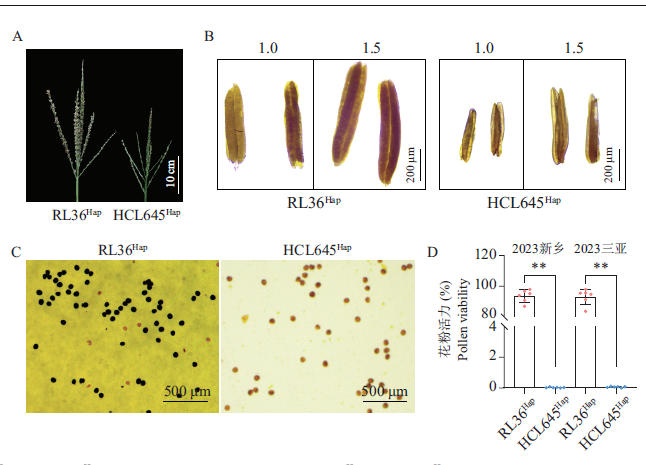
    Effects of a 38 bp Insertion Variant in the ClCCT Promoter on Agronomic Traits in Adlay
    BAO Jieliang, YAN Xiang, LONG Zhaobo, ZHOU Tao, YANG Jiantao, LI Xiangdong, ZHOU Shufeng, GUO Chao
    2026,27(8):1636-1644 ,DOI: 10.13430/j.cnki.jpgr.20260119006
    [Abstract] (1) [HTML] (0) [PDF 7.33 M] (2)
    Abstract:
    The major cultivated varieties of adlay generally exhibit late flowering and excessive plant height, which are important factors restricting their yield stability and adaptability. Previous studies have identified that a 38 bp insertion variation in the promoter region of ClCCT is a key genetic locus regulating flowering time and plant height. To clarify the application potential of this variation in breeding, this study analyzed its pleiotropic effects on flowering time, plant height, stem, leaf, and grain traits using near-isogenic lines (NILs), and conducted phenotypic verification and evaluation in a pyramiding breeding population. The results revealed that the 38 bp insertion variant in NILs markedly accelerated flowering and decreased plant height. Specifically, flowering was advanced by 32.3 d and plant height was reduced by 89.2 cm under long-day conditions, whereas a 20.3 d flowering advance and a 78.4 cm reduction were observed under short-day conditions. This variant also exerted regulatory influences on stems, leaves, and grain traits. Among the 65 early-flowering and dwarf lines obtained from the pyramiding breeding population, the frequency of the insertion-type allele reached as high as 72.31%. Under long-day conditions, compared with the heterozygous-type/deletion-type lines, the insertion-type lines showed a significant 5.9 d advance in flowering time, while no significant differences were observed in plant height, stem, leaf, and grain traits, indicating that under complex genetic backgrounds, this variation primarily regulates flowering time with limited effects on other agronomic traits. Integrating data from both populations indicates that the regulatory effect of the 38 bp insertion variation on flowering time is stable across different genetic backgrounds. Moreover, owing to the ease of detection, this marker can serve as an efficient tool for marker-assisted selection (MAS) of flowering time in adlay.
    Transcriptomic Analysis of γ-Aminobutyric Acid Biosynthesis During Quinoa Seed Germination
    WEI Boxiang, LIU Yang, ZHANG Min, WANG Xiaoxia, WANG Chunmei, ZHANG Liping, MU Guojun
    2026,27(8):1645-1657 ,DOI: 10.13430/j.cnki.jpgr.20251227001
    [Abstract] (1) [HTML] (0) [PDF 3.78 M] (1)
    Abstract:
    Quinoa (Chenopodium quinoa Willd.) is a nutritionally complete pseudocereal containing all the essential amino acids required by humans. To investigate the accumulation mechanism of γ-aminobutyric acid (GABA) during quinoa germination, we used quinoa cultivar M059 as experimental material, determined GABA contents at 12 h and 24 h of germination, and compared transcriptomic differences between these two time points.The results showed that the GABA content reached a peak of 24.47 μg/g at 24 h of germination, which was 2.27-fold higher than that at 12 h. Transcriptome analysis identified 1146 differentially expressed genes (DEGs), including 913 up-regulated genes and 233 down-regulated genes. GO enrichment analysis indicated 19 GO pathways closely related to GABA synthesis during germination. KEGG pathway analysis identified six metabolic pathways associated with GABA synthesis, among which the alanine, aspartate and glutamate metabolism (ko00250) and arginine and proline metabolism (ko00330) pathways were highlighted as the core metabolic pathways.The expression levels of the key genes CqGAD (LOC110718614) and CqALDH3H1 (LOC110709762) were up-regulated by 1.9-fold and 1.1-fold, respectively. Transcription factor analysis identified potential transcriptional regulatory relationships of key genes: CqSPL8 (r=0.77), CqWRKY24 (r=0.91), and CqWRKY6 (r=0.97) positively regulate CqGAD, while CqHSFC1 (r=-0.97) negatively regulates CqGAD. For CqALDH3H1, CqERF091 (r=0.89), CqWRKY24 (r=0.88), and CqTGA9 (r=0.91) positively regulate its expression, while CqABI4 (r=-0.91) negatively regulates it. Notably, CqWRKY24 serves as a common regulatory factor that positively regulates both CqGAD and CqALDH3H1. qRT-PCR results confirmed that the expression levels of CqSPL8(LOC110714232), CqWRKY6(LOC110720931), CqHSFC1(LOC110691034), CqERF091(LOC110693708), CqWRKY24(LOC110730454), CqTGA9(LOC110684250) and CqABI4(LOC110699305) were consistent with the transcriptome data.This study demonstrated that the efficient accumulation of GABA during quinoa germination is the result of the synergistic effect of the GAD-catalyzed glutamate pathway and the ALDH-mediated polyamine degradation pathway, and WRKY family transcription factors play a key regulatory role. The findings provide a valuable reference for elucidating the key metabolic pathways and molecular mechanisms underlying GABA accumulation during quinoa germination.
    Identification of JAZ Gene Family in Hevea brasiliensis and Analysis of Negative Regulation of HbJAZ1 in Anthracnose Resistance
    WU Xuehong, ZHANG Yu, ZENG Zhengli, XIA Ling, LIANG Xiaoyu
    2026,27(8):1658-1672 ,DOI: 10.13430/j.cnki.jpgr.20260126003
    [Abstract] (1) [HTML] (0) [PDF 5.19 M] (1)
    Abstract:
    To clarify the structural characteristics of the JAZ gene family in rubber trees (Hevea brasiliensis) and their negative regulatory role in anthracnose resistance. This study conducted systematic resistance identification research on the HbJAZ gene family and its key member HbJAZ1 through bioinformatics analysis, expression profiling, and functional validation. Through homologous sequence alignment and conserved domain search, 10 HbJAZ genes were identified from the rubber tree genome, with all HbJAZ proteins containing typical Tify and Jas_motif domains, demonstrating high structural conservation. Chromosomal mapping analysis revealed that the 10 HbJAZ genes were unevenly distributed across seven chromosomes, with HbJAZ1 and HbJAZ5 clustered on chromosome 4, exhibiting distinct gene cluster distribution patterns. Analysis of the promoter cis-acting elements revealed that the HbJAZ gene promoter region is rich in light-responsive, hormone-responsive, and stress-related elements. Notably, HbJAZ1 contains a methyl jasmonate (MeJA)-responsive element, suggesting its potential role as a key regulatory node in the jasmonic acid (JA) signaling pathway. Transcriptome analysis combined with qRT-PCR results demonstrated that multiple HbJAZ genes exhibited significant responses to anthracnose infection in rubber tree anthracnose-resistant germplasm, with HbJAZ1 showing markedly upregulated expression to pBin308, implying its potential as a key negative regulatory factor. Further functional validation revealed that under methyl jasmonate induction, tobacco plants overexpressing HbJAZ1 exhibited significantly weaker disease resistance than the wild-type control pBin308, and the expression of JA signaling marker genes NbDEF1 and NbLOX1 was suppressed, indicating that HbJAZ1 plays a critical negative regulatory role in the JA signaling pathway. Subcellular localization studies demonstrated that HbJAZ1 was primarily localized in the nucleus and plasma membrane. Yeast two-hybrid experiments reveales direct interaction between HbJAZ1 and HbPP2C, a key protein in the ABA signaling pathway, suggesting its potential involvement in JA-ABA cross-regulation. This study elucidates the systematic characteristics and chromosomal distribution patterns of the JAZ gene family in rubber trees, clarifies HbJAZ1′s negative regulatory function in anthracnose resistance, and provides crucial theoretical insights into the JA signal-mediated immune regulatory network in rubber trees.
    Opitimization of Genetic Transformation System of Common Bean
    YAO Jiaying, CHENG Yuan, CHANG Yujie, WANG Chuangyun, WU Jing
    2026,27(8):1673-1683 ,DOI: 10.13430/j.cnki.jpgr.20260228004
    [Abstract] (1) [HTML] (0) [PDF 3.03 M] (1)
    Abstract:
    The establishment and improvement of an efficient genetic transformation system for common bean is crucial for the exploration and utilization of its genetic resources, as well as for advancing the progress of molecular breeding. In the present study, the high-regeneration common bean germplasm small white common bean was selected as the experimental material. By conducting single-factor experiments, the optimal transformation conditions for three critical procedures, namely Agrobacterium infection, differentiation and regeneration, and resistance screening, were identified, which lays a foundation for developing a high-efficiency genetic transformation system for common bean.The results demonstrated that during explant preparation, removal of cotyledons, apical buds and radicles while preserving the connecting region between hypocotyls and cotyledons yielded the best effect. In addition, 30-second ultrasonic treatment of explants markedly enhanced the infection capacity and transformation efficiency of Agrobacterium tumefaciens. Supplementing the medium with asparagine and glutamine also greatly improved the genetic transformation success rate. To further improve the regeneration performance of explants, the optimal concentrations of plant growth regulators and additives in the regeneration medium were determined: 8 mg/L 6-benzylaminopurine (6-BA), 60 mg/L adenine, 200 mg/L inositol, 20 mg/L allantoin, and 90 g/L sucrose. Under this optimal combination, the explants exhibited the highest regeneration rate, the longest regenerated shoot length and the best overall growth status. Moreover, 5.0 mg/L glufosinate was confirmed as the optimal screening concentration to effectively separate positive transgenic seedlings from negative ones.This study provides reliable technical guidance and a practical theoretical basis for constructing an efficient and stable genetic transformation system for common bean, and also offers an important reference for the establishment of transformation systems in other edible legume species.
    Article Search
    Search by issue
    Select AllDeselectExport
    Display Method:
    Studies on Physiological Responses and Factors Influencing Recovery during Cryopreservation of Sweet Potato
    zhong shu yu
    Available online:  August 11, 2026 ,DOI: 10.13430/j.cnki.jpgr.20260414003
    [Abstract] (4) [HTML] (0) [PDF 918.09 K] (0)
    Abstract:
    Sweet potato (Ipomoea batatas (L.) Lam.) is a globally important crop for food, feed, and industrial raw materials. The long-term safe preservation of its germplasm resources is of great strategic significance for breeding innovation, industrial development and food security. Cryopreservation provides an important approach for the safe, economical, and long-term preservation of vegetatively propagated germplasm resources. However, the cryopreservation of sweet potato is generally hindered by bottlenecks such as difficulty in survival and regrowth. In this study, using the sweet potato cultivar 'Mianshu ' as the materials, i.e. ‘Mianshu 12’, , we optimized the droplet-vitrification cryopreservation protocol, focusing on exploring the effects of PVS2 treatment duration, compositions of vitrification solutions with varying DMSO concentrations. light quality composition during recovery culture, and plant growth regulator combinations in the culture medium on the survival and regrowth of sweet potato shoot tips. Additionally, physiological response mechanisms were elucidated using differential scanning calorimetry (DSC) and chlorophyll content analysis. The results showed that the optimal droplet-vitrification cryopreservation procedure consisted of a PVS2 treatment duration of 30 min, which could enable the shoot tip cells to achieve stable glass state; the chlorophyll content decreased significantly during cryoprevation proceduresthe treatments before post-recovery; while the applicationuse of red-blue composite light during the recovery stage could significantly promote the regrowth of cryopreserved shoot tips, with the optimal ratio of red to blue light of 8:2; and the suitable recovery medium composition was MS + 0.5 mg/L GA? + 0.5 mg/L 6-BA, the highest survival rate reached 58.00% ± 6.35%, with a regrowth rate reached 30%±10%. Applying this optimized protocol on two accessions. This study will reveal the synergistic regrowth-promoting effects of red-blue composite light and plant growth regulator ratios combined with GA3and6-BA during post-cryopreservation recovery, providing both theoretical basis and practical solutions for overcoming technical bottlenecks in sweet potato germplasm cryopreservation.
    Development and Application of Molecular Markers for Genetic Improvement of Traits in Sorghum
    Ruizhen Liu, Ruizhen Liu, Duan Guoqi, Ma Aimin, Wang Yubin, Mi Hongyun, Zhang Jingjie, QI Guolin, Zhang Guoping, He Zhenyan, Ping Junai
    Available online:  August 07, 2026 ,DOI: 10.13430/j.cnki.jpgr.20260522003
    [Abstract] (6) [HTML] (0) [PDF 707.86 K] (0)
    Abstract:
    Sorghum (Sorghum bicolor L.), as the fifth largest cereal crop worldwide, exhibits strong tolerance to drought, saline-alkali stress, and nutrient-poor soils, and is widely used in food, feed, and bioenergy production. The development of molecular marker technologies has greatly facilitated the genetic dissection of complex traits and the breeding process in sorghum. This review systematically summarizes the evolutionary trajectory of molecular markers, as well as the progress in the development and application of these markers in studies on agronomic traits and stress resistance in sorghum. On this basis, we analyze the current status of marker-assisted selection (MAS) in sorghum breeding, and identify key bottlenecks including insufficient resolution of quantitative trait locus (QTL) mapping, disconnection between markers and causative genes, polygenic regulation of complex traits with genotype-by-environment interactions, and the limited translation of most markers into practical breeding applications. Finally, we discuss future pathways to advance sorghum molecular breeding toward precision and efficiency, such as constructing integrated molecular marker databases and developing genomic selection strategies. This review provides a systematic theoretical reference for genetic improvement and molecular breeding in sorghum.
    Research Progress of BRC1 Genes in Regulating Crop Branching
    Zhang Jia Li, YANG Xue, XU Haolin, Chen Liyu, Yue Lin, Liu Baohui, Yang Hui
    Available online:  August 07, 2026 ,DOI: 10.13430/j.cnki.jpgr.20260518002
    [Abstract] (8) [HTML] (0) [PDF 745.33 K] (0)
    Abstract:
    BRANCHED1 (BRC1) is a core member of the TEOSINTE BRANCHED1/CYCLOIDEA/PCF (TCP) transcription factor family and plays an essential role in the regulation of plant branching. It can integrate endogenous hormonal signals, nutrient signals and external environmental cues, and regulate key agronomic traits including plant architecture, biomass and yield by precisely repressing crop branch formation. In recent years, with the rapid development of molecular biology technologies, researchers have carried out in-depth studies on the functional identification, molecular regulatory mechanisms and practical application of the BRC1 gene in diverse crops, and have made a series of breakthrough advances. This paper systematically reviews the basic characteristics, expression patterns and upstream and downstream regulatory networks of BRC1, summarizes the latest research progress of this gene in major grain, oil and economic crops, and discusses the existing limitations in its crop application. Combined with the development trend of intelligent breeding technology, future research directions are prospected. This review provides theoretical references and technical support for implementing molecular breeding and breeding new high-yield and high-quality crop varieties via manipulating the BRC1 gene.
    Cloning and cold tolerance Functional Analysis of HvMYB15 Gene in Hulless Barley
    Zhe Ran, LIU Jing-wen, CUI Yong-Mei, wu kun lun
    Available online:  August 07, 2026 ,DOI: 10.13430/j.cnki.jpgr.20260609001
    [Abstract] (7) [HTML] (0) [PDF 4.62 M] (0)
    Abstract:
    Abstract: Hulless barley is the principal staple crop in the Qinghai-Tibet Plateau region. Due to its predominant cultivation in high-altitude alpine zones above 2700 meters, its growth and development are subject to multidimensional constraints imposed by low-temperature stress. MYB transcription factors are involved in abiotic stress responses in a variety of crops, but no related studies have been reported in highland barley. In this study, the function of HvMYB15 gene in response to low temperature stress was explored by bioinformatics analysis, gene expression analysis and heterologous overexpression function verification in Arabidopsis thaliana. The results showed that the full-length coding region of HvMYB15 gene was 867 bp, encoding 289 amino acids, and its promoter region contained multiple cis-acting elements related to stress response. qRT-PCR showed that HvMYB15 was expressed at higher levels in roots, followed by leaves. Stress-induced expression analysis showed that low temperature stress could significantly induce the up-regulated expression of HvMYB15 gene. Subcellular localization studies and transcriptional activation assays demonstrated that HvMYB15 exhibits nucleus localization and possesses transcriptional self-activation properties. The functional verification of low temperature stress showed that the seedling survival rate of HvMYB15 overexpression lines was significantly higher than that of the wild type (WT), the ion leakage rate, hydrogen peroxide, and malondialdehyde content were significantly lower than those of the WT, while the superoxide dismutase activity and proline content were significantly higher than those of the WT. In addition, the expression levels of genes related to low temperature stress response in HvMYB15 overexpression lines were significantly up-regulated compared with WT after low temperature stress treatment. In summary, this study shows that the HvMYB15 gene of highland barley has a positive regulatory effect on low temperature stress. The results of this study lay a theoretical foundation for further analysis of the molecular mechanism of low temperature tolerance response and genetic breeding improvement of hulless barley.
    Cloning and Functional Analysis of the?EkF3H?Gene from?Epimedium koreanum
    王英哲, 国坤
    Available online:  August 07, 2026 ,DOI: 10.13430/j.cnki.jpgr.20260522001
    [Abstract] (9) [HTML] (0) [PDF 2.05 M] (0)
    Abstract:
    Abstract:?Flavanone 3-hydroxylase (F3H) is a key enzyme in the flavonoid biosynthetic pathway, and the mining of its encoding genes is of great significance for the germplasm improvement of medicinal plants; however, the function of this gene in?Epimedium koreanum?has not yet been systematically characterized. In this study, the full-length cDNA of the?EkF3H?gene was cloned from?Epimedium koreanum?using RACE (Rapid Amplification of cDNA Ends) technology. The open reading frame is 891 bp in length, encoding a 296-amino-acid protein that is hydrophilic, stable, and lacks a signal peptide and transmembrane domains. Phylogenetic analysis revealed that EkF3H shares the highest homology with that of?Epimedium sagittatum. After low-temperature induction and expression in?Escherichia coli?followed by purification, the recombinant EkF3H protein was demonstrated to catalyze the conversion of naringenin to dihydrokaempferol in an in vitro enzymatic assay. A plant overexpression vector was subsequently constructed and transformed into?Nicotiana benthamiana. Untargeted metabolomic analysis identified a total of 38 differential metabolites, among which the contents of 11 flavonoids, including kaempferol, naringenin, and epimedoside A, were significantly increased, indicating that overexpression of?EkF3H?effectively promoted flavonoid accumulation. These results demonstrate that?EkF3H?is a functional gene involved in the regulation of flavonoid biosynthesis and holds considerable potential as a target for quality genetic improvement and metabolic engineering breeding of?Epimedium koreanum.
    Evaluation of Charcoal Rot Resistance in Sesame Germplasms and Screening of Resistant Germplasms
    NI Yunxia, YAN Wenqing, LIU Xintao, ZHAO Hui, WANG Jing, ZHAO Xinbei, QIN Lingling, HE Bipo, LI Yongdong, ZHANG Chunyan, LIU Hongyan
    Available online:  August 07, 2026 ,DOI: 10.13430/j.cnki.jpgr.20260510001
    [Abstract] (15) [HTML] (0) [PDF 2.18 M] (0)
    Abstract:
    Sesame charcoal rot is an important disease affecting sesame production in China, seriously threatening both yield and quality. To explore resistant germplasm resources, a total of 420 sesame accessions (including 27 introduced from abroad, 212 landraces and 181 modern varieties) were evaluated for resistance under field conditions in Pingyu County, Henan Province, over two consecutive years (2023–2024). The disease index (DI) and resistance index (RI) were used for systematic evaluation. The results showed that no immune (I) accessions were identified. Twenty accessions (4.77%) were consistently classified as highly resistant (HR) over the two years, while 17 accessions (4.06%) were consistently highly susceptible (HS). A total of 112 accessions (26.73%) showed stable moderate resistance (MR) or above and 182 accessions (43.44%) showed stable moderate susceptibility (MS) or below. The average DI of modern varieties was significantly lower than that of introduced germplasm and landraces, and the proportions of HR and MR materials were higher, indicating that artificial selection has effectively improved resistance levels. Among different ecological regions, the Huang-Huai summer sesame region had the highest proportion of HR germplasm (34.5% in 2023, 12.5% in 2024), while the Northeast and North China spring sesame regions had higher proportions of HS materials. Cluster analysis divided the 420 accessions into four groups: HR, MR, MS and HS. Combining both evaluation methods, a set of excellent resistant germplasm accessions were identified, such as Zhu 044, Xixiangxian Zhima, Wanzhi 24 and Fuzhi 7, providing important germplasm resources and a theoretical basis for genetic improvement of charcoal rot resistance and breeding of resistant sesame varieties.
    Technical Code of Practice for Identification of Storge Tolerance of Rice Seed
    shuyu zhao, shuyu zhao, 尹广鹍, 李贤勇, 韩龙植
    Available online:  August 03, 2026 ,DOI: 10.13430/j.cnki.jpgr.20260524001
    [Abstract] (20) [HTML] (0) [PDF 1.43 M] (3)
    Abstract:
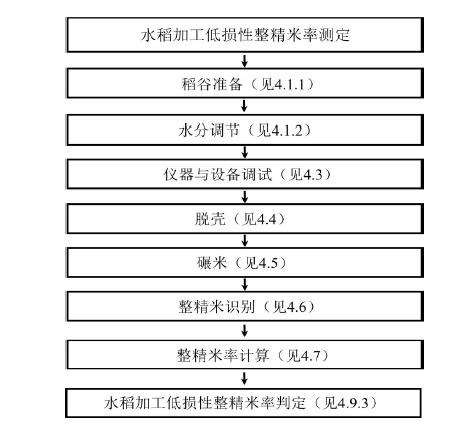
    Rice storage tolerance is a key trait for rice production and seed preservation, which is directly associated with food security and industrial economic benefits. Establishing a standardized identification system for rice storage tolerance is of great significance to the screening of storage-tolerant germplasm, breeding utilization and high-quality development of the rice industry. Current research on rice storage tolerance faces two core bottlenecks. First, there are no unified criteria for seed aging identification parameters, making it difficult to conduct horizontal comparison of experimental results obtained by different research institutions. Second, the comprehensive evaluation index system remains imperfect and lacks operable standardized grading criteria, which severely restricts the screening storage-tolerant rice germplasm and the progress of rice breeding. In view of the above problems, based on years of identification practices and research achievements, the paper systematically summarizes the technical methods and operational procedures for storage tolerance identification. A set of technical specifications covering sample preparation, instruments and reagents, identification procedures, as well as grading and judgment rules has been formulated, and unified and standardized technical operation criteria have been established. This study aims to provide standardized technical support for the identification of storage tolerance in rice germplasm resources and relevant breeding work. This specification is applicable to the identification and evaluation of seed storage tolerance of Oryza sativa L. seeds, and has important practical significance for standardizing the technical system of rice storage tolerance identification, implementing the national food security strategy and improving industrial economic benefits.
    Germplasm Innovation on High-amylose Wheat Based on SGP-1
    ZHANG Nan, LI Ya-qing, ZHANG Shi-chang, PENG Yi-feng, YUE Zhao-han, SHI Zhan-liang, LI Meng-jun
    Available online:  July 31, 2026 ,DOI: 10.13430/j.cnki.jpgr.20260316004
    [Abstract] (24) [HTML] (0) [PDF 729.36 K] (2)
    Abstract:
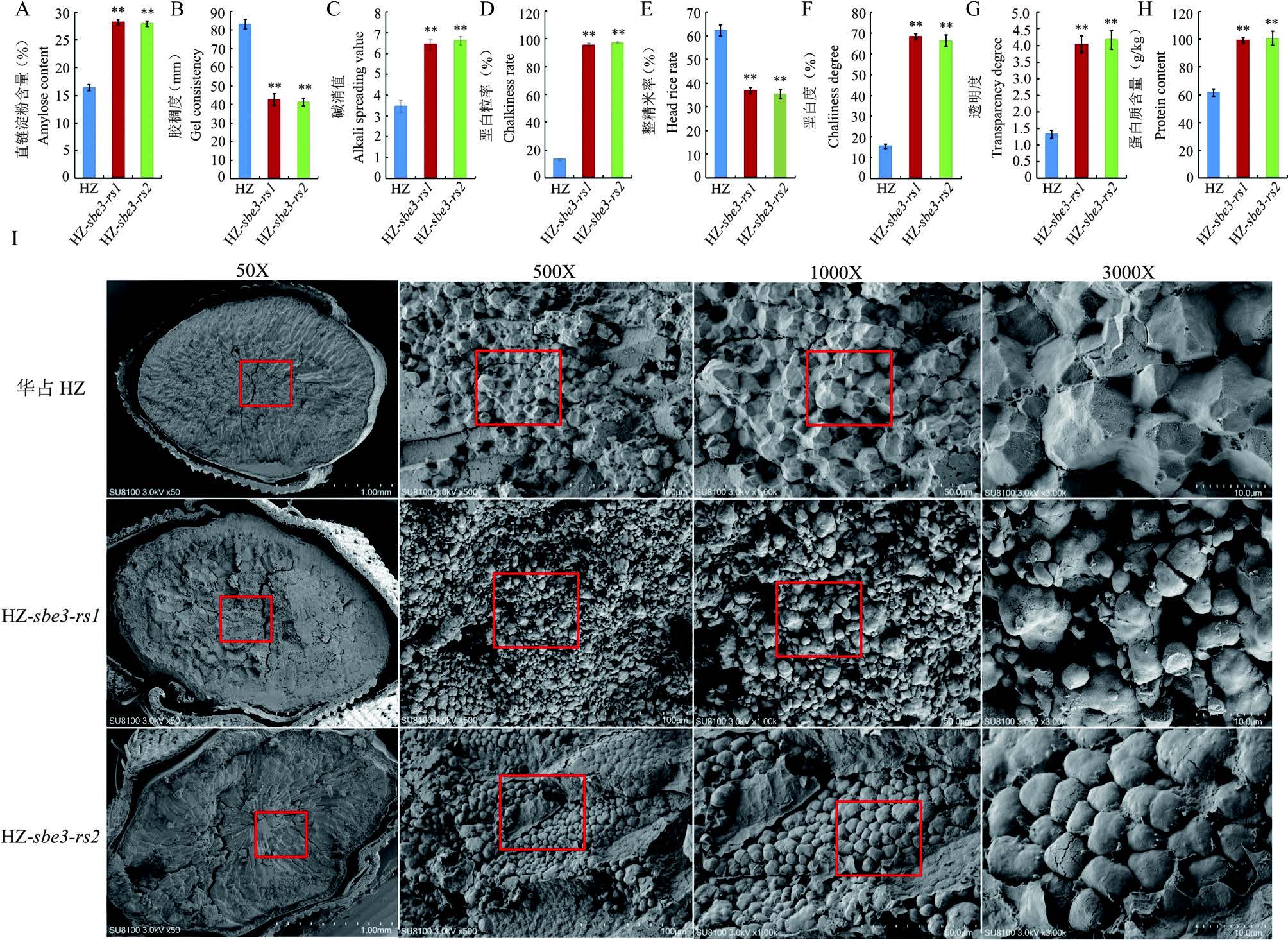
    SGP-1 is a key enzyme responsible for the elongation of amylopectin side chains in wheat endosperm, and its loss of function increases amylose content, making SGP-1 a target gene for developing high-amylose wheat through marker-assisted selection. In this study, molecular markers developed from the genomic DNA sequences of SGP-1 were used to screen a Yannong 18 radiation-induced mutant library, and sgp-A1 and sgp-D1 deletion mutants were identified. SDS-PAGE confirmed the absence of SGP-A1 and SGP-D1 proteins, and whole-exome sequencing revealed large DNA fragment deletions encompassing SGP-A1 and SGP-D1, respectively. Using Kanto 79 as the donor of sgp-B1, we pyramided the three null alleles via a double-crossing scheme and developed a novel high-amylose wheat germplasm with SGP-1 deficiency, which exhibited the typical characteristics of SGP-1 deletion mutants. Through agronomic trait evaluation, the optimal high-amylose wheat line F2301 was selected. The amylose content of F2301 was increased from 25.2% to 29.2%, and the resistant starch content was increased from 1.25% to 2.83%, providing a valuable material foundation for functional wheat breeding.
    Genetic Analysis and Identification of Genes Associated with Flowering Time Traits in a Maize Population
    WANG Haina, YANG Ruiyu, 陆雅萱, 常云龙, LI Kun, HU Xiaojiao, LIU Xiaogang, HUANG Changling, LI Pengbo, WANG Hongwu
    Available online:  July 31, 2026 ,DOI: 10.13430/j.cnki.jpgr.20260503001
    [Abstract] (27) [HTML] (0) [PDF 2.83 M] (2)
    Abstract:
    Flowering time is an important agronomic trait that determines ecological adaptation, maturity progression, and regional utilization value in maize. Systematic evaluation of flowering time variation in maize inbred lines and identification of stable association loci across multiple environments can provide useful references for the screening of early-maturing germplasm and molecular breeding. To dissect the genetic basis of flowering time traits and identify key loci controlling these traits, 352 maize inbred lines with diverse genetic backgrounds were used in this study. Field trials were conducted in Changping, Beijing in 2024, Yuci, Shanxi in 2024, and Shunyi, Beijing in 2025. Three flowering time traits, namely days to tasseling (DT), days to pollen shedding (DP), and days to silking (DS), were accurately evaluated. Based on 11,004,183 high-quality single nucleotide polymorphism (SNP) markers obtained from whole-genome resequencing, genome-wide association studies (GWAS) were performed using the FarmCPU model. The results showed that the three flowering time traits exhibited abundant phenotypic variation, with broad-sense heritability ranging from 0.93 to 0.94. Highly significant positive correlations were observed among the three traits. A total of 113 SNPs significantly associated with the three traits were detected by GWAS. Among them, six non-redundant major-effect loci were stably detected across multiple environments, and two loci showed co-localization patterns. Further analysis of 12 candidate genes within the intervals of these two stable loci identified three significantly associated candidate genes: Zm00001d027419, encoding a bHLH transcription factor; Zm00001d050151, encoding sucrose synthase; and Zm00001d050153, encoding a reticulon-like protein. Haplotype analysis showed that the favorable haplotypes of these three genes were significantly associated with early flowering. These findings provide new insights into the molecular regulatory mechanism of flowering time in maize and offer valuable genetic resources and theoretical support for marker-assisted selection and genomic breeding of early-maturing maize.
    Genetic Dissection of Heading Date Trait in Zhennuo 19 and Its Breeding Implications
    SUN Liting, LIN Tianzi, JING Dedao, YU Bo, ZENG Shengyuan, LI Chuang, QIAN Huafei, DU Cancan, HU Qingfeng, ZHOU Yiwen, GONG Hongbing
    Available online:  July 28, 2026 ,DOI: 10.13430/j.cnki.jpgr.20260427004
    [Abstract] (25) [HTML] (0) [PDF 1.01 M] (2)
    Abstract:
    Heading date is a key trait determining the adaptability, yield and growth period of rice. To reveal the molecular genetic basis of heading date in Zhennuo 19, a widely adaptable late-maturing japonica glutinous rice variety, and to exploit key early-maturing genes and elite alleles, an F2 segregation population derived from a cross between Zhennuo 19 and Taihunuo was used in this study. BSA-Seq (bulked segregated sequencing) method was used to locate the QTLs for heading date. Candidate genes were confirmed by gene sequencing and functional marker validation. Genetic effects of different allelic combinations on heading date were analyzed, and the inheritance and breeding values of elite alleles were dissected based on 24 derivative varieties. The results showed that heading date differed extremely significantly between Zhennuo 19 and Taihunuo. The heading date of the F2 population exhibited continuous distribution with bidirectional transgressive segregation, indicating that it was regulated by multiple genes. Two QTLs were detected on chromosomes 6 and 7 by both ΔSNP-index and ED algorithms, and the QTL peak on chromosome 7 was the highest. The two QTL intervals contained the major heading date genes Hd1 and Hd2, respectively. Sequencing analysis revealed that there was one SNP difference at 316 bp in the coding region of Hd1 and two SNP variations at 140 bp and 616 bp in the coding region of Hd2 between Zhennuo 19 and Taihunuo. Genotype-phenotype association analysis in the F2 population showed that allelic variations of Hd2 and Hd1 were the key genes controlling heading date variation, and the effect of Hd2 was larger than that of Hd1. The allelic combination Hd2?/Hd1C carried by Zhennuo 19 was the crucial genetic basis for its early maturity. This combination was stably inherited in 21 derivative varieties, and all of them headed significantly earlier than Taihunuo. Yield analysis showed that Zhennuo 19 increased yield by improving spikelet number per panicle and seed-setting rate. Twenty derivative varieties inherited the large-panicle trait from Zhennuo 19, and 18 of them showed significantly higher daily grain yield per plant than Taihunuo. Early maturity and high yield could be simultaneously improved under the genetic background of Zhennuo 19. This study identified the key genes and elite alleles for heading date in Zhennuo 19, providing important gene resources, functional markers and theoretical support for molecular design breeding of early-maturing japonica glutinous rice.
    Selection of Heat-Tolerant Wheat Germplasm Overexpressing TaHsfA2-11 and Analysis of Regulatory Mechanisms
    LI Junrui, GUO Xiulin, LIU Zihui, MA Jun, LI Guoliang
    Available online:  July 28, 2026 ,DOI: 10.13430/j.cnki.jpgr.20260427005
    [Abstract] (25) [HTML] (0) [PDF 2.72 M] (4)
    Abstract:
    Previous studies have shown that TaHsfA2-11 is a heat-tolerance-related gene in wheat, and its overexpression enhances thermotolerance at the seedling stage. However, its function at the adult stage, particularly during the critical yield-formation period, remains poorly understood. In this study, ten TaHsfA2-11 overexpressing transgenic lines and the recipient variety Fielder (control) were subjected to heat stress during the grain-filling stage. Yield traits and physiological indices were measured, and transcriptome sequencing was performed to elucidate the underlying molecular mechanisms. The results showed that the transgenic lines exhibited significantly better yield traits than Fielder under heat stress. Particularly, the thousand-kernel weight (TKW) of lines 393, 409, and 1144 increased by 5.09%, 6.20%, and 5.93%, respectively, compared with the control. Physiological analyses revealed that the transgenic lines had significantly higher peroxidase (POD) and superoxide dismutase (SOD) activities, inhibited malondialdehyde (MDA) accumulation, increased proline and soluble sugar contents, and enhanced membrane stability and photosynthetic pigment retention. Transcriptome analysis demonstrated that TaHsfA2-11 overexpression primarily activated osmotic regulation and ABA signaling pathways at the anthesis stage, and predominantly enhanced photosynthesis-antenna protein and carbon metabolism pathways at the grain-filling stage, revealing a distinct stage-specific regulatory pattern. RT-qPCR validation further confirmed that TaHsfA2-11 upregulates the expression of heat shock protein genes, osmotic regulation-related genes, and photoprotection-related genes. In conclusion, TaHsfA2-11 overexpression significantly enhances thermotolerance of wheat during the adult-stage by synergistically activating antioxidant defense, osmotic regulation, and photosynthetic protection pathways. The TaHsfA2-11-overexpressing lines 393, 409, and 1144 were identified as elite heat-tolerant germplasms and can serve as core parents for wheat heat tolerance breeding.
    Screening of differential metabolic markers between ancient and cultivated Camellia sinensis in Tongzi, Guizhou
    HE YIN, GUAN HAO, WANG YANxia, HUANG Xiaozhen
    Available online:  July 28, 2026 ,DOI: 10.13430/j.cnki.jpgr.20260505001
    [Abstract] (25) [HTML] (0) [PDF 8.58 M] (3)
    Abstract:
    To elucidate the material basis underlying the formation of superior quality in ancient tea treeplants and evaluate their metabolic differences from cultivated tea treeplants, as well as assess their potential for cultivar development, this study employed one bud and two leaves from ancient tea treeplant cultivars ‘Yaolongshan Jinfenghuang’ (JFH) and ‘Zhulinping’ (ZLP), along with the elite cultivated cultivar ‘Fuding Dabaicha’ (FDDB) as experimental materials. Untargeted comparative metabolomic analysis was conducted using UHPLC-Q-TOF-MS technology. Principal component analysis revealed significant differences in global metabolic profiles between ancient tea treeplants and cultivated varieties. Pathway enrichment analysis indicated that differential metabolites were primarily enriched in key pathways including plant secondary metabolite biosynthesis, phenylpropanoid biosynthesis, flavonoid biosynthesis, and amino acid biosynthesis. Analysis of common differential metabolites demonstrated that phenolic acids and flavonoids such as 4-caffeoylquinic acid, epigallocatechin gallate, and myricetin-3-O-glucoside were significantly upregulated in both ancient tea treeplant cultivars, whereas polypeptides and amino acid derivatives including linoleoyl lysophosphatidylcholine and phenylalanine-glycine-lysine Phe-Gly-Lys were generally downregulated. Analysis of cultivar-specific differential metabolites revealed that JFH specifically accumulated flavonoid compounds including quercetin-3-O-acetylrhamnoside and 5,6,7,4’-tetrahydroxyisoflavone, along with amino acid derivatives such as L-glutamine and L-histidine, were significantly upregulated. In contrast, ZLP specifically accumulated flavonoids including myricetin-3-glucoside as well as phenolic acids such as 4-hydroxybenzoic acid, but exhibited significantly reduced contents of theanine and procyanidin dimers. Ancient tea treeplants exhibited significant differentiation from cultivated varieties in key metabolic processes including phenylpropanoid and flavonoid biosynthesis and nitrogen metabolism, forming a metabolic pattern characterized by active phenolic acid and specific flavonoid metabolism and generally downregulated free polypeptides and membrane lipid metabolites. Furthermore, JFH and ZLP displayed distinct cultivar differentiation characteristics in specific metabolite accumulation, reflecting the rich genetic diversity of ancient tea treeplant germplasm. These results confirm the specific quality chemical basis of ancient tea treeplants from a metabolomic perspective, providing important germplasm resources and theoretical basis for innovating the current bottleneck of tea quality homogenization.
    Analysis of Wild Population Structure and Seed Phenotypic Traits of the Endangered Relict Plant Parrotia subaequalis
    guo wan lin, caixinling, liukailin, zhanggongchang
    Available online:  July 28, 2026 ,DOI: 10.13430/j.cnki.jpgr.20260411001
    [Abstract] (24) [HTML] (0) [PDF 1.17 M] (3)
    Abstract:
    Abstract:Parrotia subaequalis (H. T. Chang) R. M. Hao &amp;amp;amp; H. T. Wei is a species under first-class national state protection and an endemic relict plant of the Hamamelidaceae family in China. Taking the provincial forestry and grassland germplasm resource bank of P. subaequalis in Changchun Village, Changling Township, Jinzhai County, Anhui Province as the research object, this study conducted a systematic background survey of 1,964 wild P. subaequalis individuals within the bank using a combination of comprehensive field surveys and quadrat sampling. Simultaneously, precise measurements and analysis of variance (ANOVA) were performed on the seed phenotypic traits from 22 germplasm sources. The main results are as follows: (1) Regarding population structure, the P. subaequalis population within the germplasm bank exhibited an expanding trend with an &amp;amp;quot;upright pyramid&amp;amp;quot; age structure. There were 1,152 seedlings with a diameter at breast height (DBH) or basal diameter &amp;amp;lt; 5 cm, accounting for 58.66% of the total individuals. A total of 1,815 individuals ranged from seedlings to medium-diameter trees (&amp;amp;lt; 20 cm), comprising 92.41% of the total, indicating a strong momentum for population regeneration. (2) In terms of sprouting regeneration, among the 83 large individuals with a DBH or basal diameter ≥ 30 cm, sprouting-type individuals with bifurcated stem bases accounted for a high proportion of 74.7% (62 individuals). The largest individual possessed 9 basal branches and a basal diameter of 165 cm, suggesting that sprouting regeneration acts as the primary compensatory mechanism for this population following historical anthropogenic disturbances. (3) Regarding seed phenotypes, the thousand-seed weight across the 22 germplasm sources was 30.768 &amp;amp;#177; 1.837 g, ranging from 27.41 to 33.39 g, with a coefficient of variation (CV) of 6%. The seed length, width, and length-to-width ratio were 6.418 &amp;amp;#177; 0.226 mm, 3.070 &amp;amp;#177; 0.082 mm, and 2.091 &amp;amp;#177; 0.066, respectively. A highly significant positive correlation was observed between seed area and thousand-seed weight (R&amp;amp;#178; = 0.6749, p &amp;amp;lt; 0.001). This study reveals the atypical structural characteristics of the P. subaequalis population in Jinzhai, characterized by &amp;amp;quot;abundant seedlings, scarce medium-diameter individuals, and sprouting dominance,&amp;amp;quot; providing fundamental data support for the precise conservation and germplasm resource development of this species.
    Phenotypic Characterization and Diversity Analysis of a Sorghum Nested Association Mapping Population
    Di Peng, Duan mingyu, Tao yongfu, Li hui, Zhang xiaowei, Chen lang, Shu zhongbing, Chen xiaocui
    Available online:  July 24, 2026 ,DOI: 10.13430/j.cnki.jpgr.20260603003
    [Abstract] (31) [HTML] (0) [PDF 944.79 K] (3)
    Abstract:
    Sorghum germplasm is vital for genetic improvement and cultivar development, and assessing its genetic diversity is essential to broaden the genetic base. In this study, we evaluated the genetic diversity of 12 agronomic traits in an Australian sorghum nested association mapping (NAM) population (288 accessions) at two locations, within one year using multiple analyses. Coefficients of variation for all traits ranged widely from 9.51 to 56.94%, with panicle shape showing high genetic variation. The Shannon-Wiener diversity index ranged from 1.1091 to 2.0725, and leaf length exhibited relatively high diversity. Correlation analysis revealed varying degrees of correlation among the 12 traits; thousand?grain weight, panicle length, and leaf traits were correlated with multiple traits and can serve as indicators for synergistic improvement. Cluster analysis classified the population into three groups with distinct trait profiles. Group A (tall plants, heavy panicle grain weight, thick stems) was suitable for dual?purpose (grain and forage) breeding; Group B (short stature, short panicles) can be used as core germplasm for dwarf sorghum breeding; Group C (long panicles and long main peduncles) was suitable for craft use. Principal component analysis extracted four principal components accounting for 63.395% of total variance, primarily capturing variation in plant architecture, panicle traits, yield, and quality. Comprehensive evaluation identified accessions T444, T566, and T472 as elite germplasm with superior overall traits for further research. This population exhibits a broad genetic background and distinct phenotypic differentiation, providing elite parents and a novel genetic basis for sorghum breeding in China.
    Multi-Stage Precise Identification and Screening of Rice Salt Tolerance
    XIA Xiu zhong, ZHANG Zongqiong, YANG Xinghai, NONG Baoxuan, FENG Rui, GUO Hui, CHEN Chan, LEI Dekun, ZENG Yu, SONG Guoxian, LI Danting
    Available online:  July 15, 2026 ,DOI: 10.13430/j.cnki.jpgr.20260519001
    [Abstract] (68) [HTML] (0) [PDF 1.88 M] (7)
    Abstract:
    Soil salinization is one of the major abiotic stresses threatening global agricultural development. To systematically evaluate the salt tolerance of rice germplasm across the whole growth period and screen elite salt-tolerant accessions, this study used 4,015 rice germplasm accessions. The experiments were conducted in the coastal saline-alkali area of Qinzhou, Guangxi. A natural salt-tolerance identification approach was adopted, combining multi-stage directional elimination, precise quantitative identification, and multi-index comprehensive evaluation. Salt tolerance was assessed at the germination, seedling and reproductive stages, and whole-growth-period salt tolerance was evaluated using principal component analysis (PCA)-based comprehensive scoring. The results showed that after three seasons of multi-stage directional selection at the reproductive stage, 544 accessions with relatively stable salt tolerance were obtained. Precise quantitative identification revealed that at the reproductive stage, the mean yield salt tolerance coefficient of Japonica rice (0.2085) was significantly higher than that of Indica rice (0.1187). At the germination stage, the mean relative germination rate under salt stress of Indica rice (0.4514) was significantly higher than that of Japonica rice (0.1040). At the seedling stage, the mean salt tolerance score of Indica rice (3.52) was lower (i.e., more tolerant) than that of Japonica rice (4.76), Indicating stronger seedling-stage salt tolerance in Indica rice. Significant but weak correlations were observed among the salt tolerance of the three growth stages (|r| = 0.12–0.24), confirming the developmental stage-specificity of salt tolerance. Based on PCA comprehensive scores, the tested germplasm was classified into five salt tolerance grades. Among them, 29 accessions were identified as grade 1 (extremely strong salt tolerance), all of which were Japonica rice, mainly originating from the northern Japonica-producing regions of China, including Jilin, Shandong, Anhui, Heilongjiang, Jiangsu, and Liaoning. Accessions such as ‘Tongnian No. 1’, ‘Longjing 1656’, and ‘Huijing 801’ exhibited excellent salt tolerance throughout the whole growth period and can serve as core parents for salt-tolerant rice breeding. The multi-stage precise identification system established in this study can effectively evaluate whole-growth-period salt tolerance in rice, and the strong salt-tolerant germplasm identified provides an important material foundation for breeding salt-alkali tolerant rice varieties.
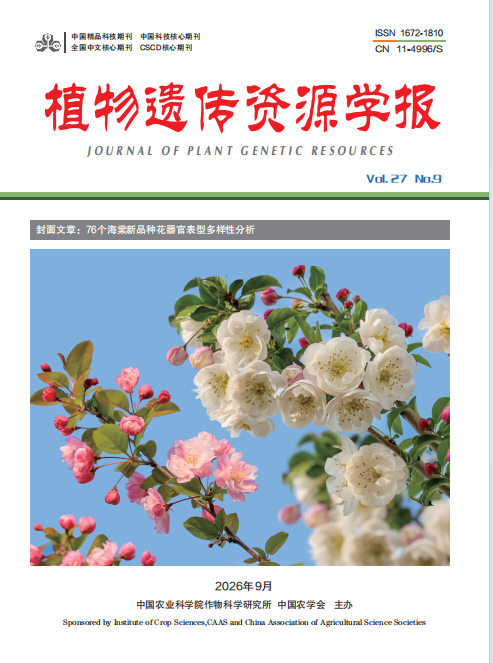
    Phenotypic Diversity Analysis of Floral Organs in 76 New Malus Cultivars
    Yuxin Liu, 盛梦婷, 薛澄波, 张往祥, 范俊俊
    Available online:  July 15, 2026 ,DOI: 10.13430/j.cnki.jpgr.20230317002
    [Abstract] (71) [HTML] (0) [PDF 2.19 M] (2)
    Abstract:
    Investigating the diversity of floral organ phenotypic traits in ornamental crabapple cultivars provides theoretical support for targeted breeding, germplasm evaluation, and landscape applications. Seventy-six new crabapple cultivars were studied. Six quantitative floral traits and 14 qualitative floral traits were measured, followed by diversity analysis, correlation analysis, cluster analysis, principal component analysis, and comprehensive evaluation. The Shannon-Wiener diversity of 6 quantitative traits indices between 1.04 and 2.05. A total of 65 variation types were detected across the 14 qualitative traits, with diversity indices ranging from 0.75 to 1.92. Small bud color, large bud color, and outer petal color exhibited higher diversity indices, indicating rich genetic diversity. Correlation analysis revealed high coefficients between quantitative traits, with flowering duration showing a highly significant positive correlation with petal number (r = 0.74). Q-type clustering divided the tested crabapples into four major groups: Group I is suitable for breeding single-petaled, light-colored varieties with strong resistance; Group II is suitable for breeding varieties with large, double flowers and a long blooming period; Group III is suitable for breeding varieties with vivid flower colors; and Group IV is suitable for breeding varieties with a high number of pistils and strong productivity. Principal component analysis transformed 20 floral traits into 7 principal components, cumulatively explaining 78.13% of variance and capturing the most characteristic information of floral phenotypes in ornamental crabapple cultivars. Comprehensive evaluation identified 10 key breeding and ornamental materials with outstanding overall traits, including Malus‘Yi Honglian’, M.‘Zhuang Yuanhong’, M.‘Zi Die'er’, M.‘Chang Hong’. This study provides valuable references for the efficient development and utilization of crabapple resources and for breeding ornamental floral traits.
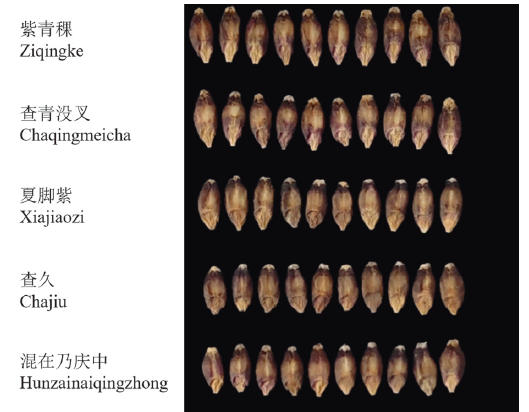
    Genetic Diversity Analysis of Grain Traits and Comprehensive Evaluation of Elite Germplasm of Colored Hulless Barley on the Qinghai–Tibet Plateau
    Liu Wenhui, Wang Yan, Cui Yongmei, Wu Kunlun, Yao Youhua, Lu Huiying, Yao Xiaohua
    Available online:  July 02, 2026 ,DOI: 10.13430/j.cnki.jpgr.20260510002
    [Abstract] (75) [HTML] (0) [PDF 1001.39 K] (3)
    Abstract:
    To investigate the genetic diversity of key grain traits in colored hulless barley germplasm resources from the Qinghai–Tibet Plateau, this study analyzed 122 colored highland hulless barley accessions collected from Qinghai, Tibet, Sichuan, Gansu, and Yunnan. Six grain traits (thousand-grain weight, grain length, grain width, grain thickness, grain area, and roundness) were evaluated at four locations within a single year. A comprehensive analytical approach was employed, including genetic diversity analysis, correlation analysis, principal component analysis, cluster analysis, and comprehensive evaluation of grain traits, to identify and screen elite germplasm resources. The results showed extensive phenotypic variation across all six grain traits. Thousand-grain weight exhibited the highest coefficient of genetic variation, while grain width showed the lowest. The Shannon diversity index for each grain trait ranged from 1.95 to 2.09. All grain traits were significantly influenced by environment, genotype, and their interaction. Correlations were commonly observed among grain traits, with a correlation coefficient of 0.891 between thousand-grain weight and grain area, and a negative correlation coefficient of -0.693 between grain length and roundness. The first two principal components (PC1 and PC2) accounted for a cumulative contribution rate of 94.073%. Thousand-grain weight, grain width, and grain thickness were the three most influential traits in PC1, while grain length and roundness were the main traits in PC2. Cluster analysis classified the 122 accessions into four groups. Group I, comprising 32 accessions, exhibited the best overall trait combination, characterized by maximum values of thousand-grain weight, grain length, grain width, grain thickness, and grain area, representing a typical large-grain type. These accessions can serve as parents for breeding new high-yielding hulless barley varieties. Based on the comprehensive score (F value), the top ten accessions—Ziqingke (Sample designation 2), Chaqingmeicha, Xiajiaozhi, Chajiu, Hunzai Naiqingzhong, Haiqinghei No. 2, Wumu, Naichai, Naina, and Chedouzi—were selected as elite parents for improving grain traits and screening new varieties of hulless barley germplasm resources.
    Research Progress on Plant Potassium Ion Channels and Transporters and their Response to Abiotic Stress
    姜李清, 孔祥强, 罗振, 唐薇, 卢合全, 秦晓春
    Available online:  July 02, 2026 ,DOI: 10.13430/j.cnki.jpgr.20260401002
    [Abstract] (102) [HTML] (0) [PDF 625.85 K] (5)
    Abstract:
    Potassium is a key nutrient required for plant growth and development, and its uptake and utilization is a coordinated and complex regulatory processes.The available potassium content in cultivated land is relatively low in our country, which often fails to meet the needs of crop growth. In addition, drought and salinization seriously affect the absorption and utilization of potassium in crops, which leading to widespread potassium deficiency in crops. Plants have developed various regulatory mechanisms to cope with low potassium, salt, drought and other stresses in order to survive in various adverse environments. This review systematically introduce the physiological and molecular mechanisms of potassium uptake, transport, and utilization in plant, which focus on exploring the regulatory mechanisms of abiotic stresses such as salt and drought on potassium ion uptake and transport genes in plants. The role and mechanism of potassium uptake and transport genes in improving plant drought and salt tolerance was also reviewed. Finally, prospects were made on how to use cultivation, molecular biology, and molecular breeding techniques to improve crop potassium nutrient uptake and utilization, in order to provide theoretical basis for improving crop potassium fertilizer utilization efficiency and stress tolerance.
    Identification of the CmSPL Gene Family in Melon (Cucumis melo L.) and Its Expression Analysis under Salt and Drought Stresses
    WANG Ming, LIU Jiang, FAN Yapeng, WANG Changbiao, YANG Jinming
    Available online:  July 02, 2026 ,DOI: 10.13430/j.cnki.jpgr.20260415001
    [Abstract] (77) [HTML] (0) [PDF 3.96 M] (7)
    Abstract:
    Melon (Cucumis melo L.) is an important horticultural crop widely cultivated, and its growth and development are frequently adversely affected by abiotic stresses. SQUAMOSA promoter binding protein-like (SPL) transcription factors are a class of plant-specific regulators that recognize and bind to the SQUAMOSA region in the promoters of MADS-box genes, playing crucial roles in plant development and abiotic stress responses. In this study, we performed a genome-wide identification of the SPL gene family members in melon using bioinformatics approaches, and systematically analyzed their protein physicochemical properties, phylogenetic relationships, chromosomal localization, gene structures, conserved motifs, cis-acting elements in promoters, and expression patterns in different tissues. Furthermore, qRT-PCR was used to screen key CmSPLs genes that respond positively to drought and salt stresses. The results showed that the melon SPL gene family consists of 15 members, which can be classified into 6 subfamilies with relatively conserved gene structures and protein motifs. Promoter analysis revealed an abundance of cis-regulatory elements associated with light response, phytohormone signaling, stress responsiveness, and growth and development. qRT-PCR analysis indicated that the expression of most CmSPLs genes could be significantly induced by salt and drought stresses. Among them, CmSPL9, CmSPL10, CmSPL11, CmSPL14, and CmSPL15 might be the key genes regulating drought stress and salt stress. This study systematically revealed the molecular characteristics of the melon SPL gene family and its response to abiotic stresses, providing an important theoretical basis for further understanding the biological functions of CmSPLs in melon stress adaptation and stress-resistant breeding.
    Identification of the CLC Gene Family in Millet and Analysis of Its Expression Patterns under Nitrogen Stress
    谢永祥, 竹悦, 黄蕊, 王艳珍, 崔国庆, 贺强, 穆志新, 王海岗
    Available online:  July 02, 2026 ,DOI: 10.13430/j.cnki.jpgr.20260424002
    [Abstract] (63) [HTML] (0) [PDF 1.80 M] (8)
    Abstract:
    Chloride channel proteins (CLCs) play crucial roles in plant nitrogen utilization, chloride ion concentration regulation, and abiotic stress resistance. However, this gene family has not been systematically identified in foxtail millet (Setaria italica), a C4 plant. In this study, a total of nine CLC genes were identified in the foxtail millet genome through Blastp alignment and HMM searches. Chromosomal localization revealed that these nine genes are distributed across seven different chromosomes. Subcellular localization predicted that all members reside on the plasma membrane. Phylogenetic and collinearity analyses suggested a closer evolutionary relationship between foxtail millet and rice. Protein structure prediction indicated that SiCLCs family members are predominantly composed of α-helices and random coils. Transmembrane domain prediction showed that SiCLCs proteins contain 8 to 10 transmembrane domains. Analyses of conserved motifs, domains, and gene structure revealed that members within the same subfamily share similar structures and potential functions. Promoter cis-acting element analysis identified various regulatory elements related to abiotic stress, hormone response and light responsiveness. Transcriptome data indicated that the expression levels of SiCLCs genes progressively increase in the stem, leaf, and root tissues respectively. Quantitative real-time PCR (qRT-PCR) results demonstrated that members sharing the same conserved domain exhibit similar expression patterns, with SiCLC-g2 showing the highest expression level after 12 hours high-nitrogen treatment. Haplotype analysis identified hap1 as the predominant haplotype. In summary, this study provides a systematic identification and analysis of the SiCLCs gene family in foxtail millet. The findings indicate that members within the same subfamily share similar gene structures and functions. Combined with qRT-PCR results, it is suggested that this gene family is involved in nitrogen stress response. This work establishes a foundation and offers theoretical support for further exploration of nitrogen utilization-related genes and functional studies.
    Technical Code of Practice for Identification of Low-Loss Head Rice Yield in Paddy
    hanlongzhi
    Available online:  July 02, 2026 ,DOI: 10.13430/j.cnki.jpgr.20260422001
    [Abstract] (73) [HTML] (0) [PDF 492.98 K] (4)
    Abstract:
    The head rice yield is a key indicator for evaluating rice processing quality, commodity value, and low-loss grain-saving traits, and it has important strategic significance for ensuring food security and promoting the quality and efficiency improvement of the rice industry. Although China has established a standard system for head rice yield identification, there are still problems such as scattered standards, poor technical connection, significant differences in method orientation, inconsistent grading thresholds, and lack of grading standards for processing low-loss properties, which are difficult to accurately meet the actual needs of rice low-loss breeding and industrial grain-saving and loss-reduction. To address the above shortcomings, this paper formulates the technical specification for the identification of head milled rice rate for low-loss processing of rice on the basis of systematically integrating existing national standards, industry standards and relevant research results. This specification systematically standardizes the key technical links such as sample preparation, instrument and equipment debugging, hulling, milling, head rice yield identification, result calculation and grading judgment, aiming to provide standardized technical support for the accurate evaluation of head rice yield for low-loss processing of rice germplasm resources and the identification and screening of low-loss breeding materials, and help improve the efficiency of rice low-loss quality breeding and the level of grain-saving and loss-reduction in the entire industrial chain.
    Functional Analysis of the SiDREB39 Gene in Response to Low Temperature Stress in Foxtail Millet
    悦 庄, houjunying, WANG Runjie, zhangyujia, zhanghui, wangjiagang, CHU Xiaoqian, YANG Guanghui, gaolulu, DU Huiling, YUAN Xiangyang, lixiaorui
    Available online:  July 02, 2026 ,DOI: 10.13430/j.cnki.jpgr.20260511002
    [Abstract] (81) [HTML] (0) [PDF 1.86 M] (4)
    Abstract:
    Abstract: Dehydration responsive element binding protein (DREB) is one of the important transcription factors in plants, playing a key role in plant growth and development as well as in response to abiotic stress. In this study, based on a previous genome-wide identification of the SiDREB gene family in foxtail millet, a candidate gene SiDREB39 that was significantly induced by low temperature was screened. To explore the role of the foxtail millet SiDREB39 gene in plant low-temperature response, the SiDREB39 gene was cloned from Jingu 21. Bioinformatic analysis, subcellular localization, expression pattern analysis, and functional validation were performed by constructing an overexpression vector and transforming it into Arabidopsis thaliana, followed by phenotypic observation, physiological index measurement, and transcriptome sequencing. The results showed that the full-length CDS of SiDREB39 was 660 bp, encoding 219 amino acids. RT-qPCR analysis revealed that SiDREB39 exhibited the highest expression level in the leaves of Jingu 21. The SiDREB39 protein was localized in the nucleus and cytoplasm. Under low-temperature stress, overexpression of SiDREB39 significantly increased the seed germination rate and plant survival rate of transgenic Arabidopsis, while reducing ion leakage rate and malondialdehyde (MDA) content. Antioxidant enzyme activities were markedly enhanced, soluble protein and proline contents increased, reactive oxygen species (ROS) accumulation decreased, and the expression levels of cold-responsive genes were upregulated. RNA-seq analysis identified 990 differentially expressed genes (DEGs) between low-temperature-treated transgenic Arabidopsis and wild-type Arabidopsis (LT-OE2 vs LT-WT). Among these, several key genes involved in ROS signaling and scavenging (e.g., AT2G28190, AT5G05410) were significantly induced in the transgenic plants. In conclusion, overexpression of SiDREB39 enhances plant tolerance to low-temperature stress by enhancing antioxidant enzyme activities and osmotic regulation ability, as well as inducing the expression of cold-responsive genes. This study provides an important candidate gene and theoretical basis for cold-resistant molecular breeding in foxtail millet.
    Diversity analysis of leaf phenotypic traits of Camellia drupifera Lour.
    LiPengxiang, LiuKai, LiangGuoxiao, ChenMengqiu, ZhangXing, LuJinfeng, HaoBingqing, MaJinlin
    Available online:  June 26, 2026 ,DOI: 10.13430/j.cnki.jpgr.20260420004
    [Abstract] (52) [HTML] (0) [PDF 686.21 K] (6)
    Abstract:
    This study aimed to explore the leaf phenotypic variation of Camellia drupifera Loureiro and provide a theoretical basis for germplasm resource improvement and new germplasm breeding. 14 C. drupifera Lour. populations from different geographical distribution regions were selected as research materials, and ten leaf phenotypic traits were determined and analyzed using multiple statistical methods. The results revealed significant phenotypic differences among populations and individuals with abundant genetic variation. The range of average coefficient of variation for the 10 traits is 14.67%~32.73%, with an overall average of 19.95% All leaf traits exhibited extremely significant correlations (P < 0.001). Specifically, leaf size traits, including leaf length, leaf width and leaf area, were positively correlated. Leaf length–width ratio showed a significantly negative correlation with leaf shape coefficient, while leaf thickness presented relatively independent phenotypic characteristics. Additionally, the leaf shape coefficient was negatively correlated with most leaf morphological traits. Cluster analysis classified the 14 populations into two distinct groups, which was highly consistent with their actual geographical distribution patterns. Environmental factor analysis indicated that latitude, mean January temperature, annual mean temperature, and extreme minimum temperature were key driving factors, exhibiting extremely highly significant, highly significant, and significant negative correlations with leaf size-related traits (P < 0.001, P < 0.01, and P < 0.05, respectively). In contrast, longitude and annual sunshine hours had no significant effects on all leaf phenotypic traits (P > 0.05). In conclusion, C. drupifera Lour. populations possess rich leaf phenotypic variation with obvious geographical differentiation. Superior provenances from different clustered groups can be selected as high-quality breeding materials according to targeted breeding objectives, which provides valuable references for the germplasm innovation and fine variety cultivation of C. drupifera Lour.
    Comprehensive Evaluation and Correlation Analysis of Phenotype, Physiological Traits, and Volatile Components among Different Purple Basil (Ocimum basilicum var. purpurascens Benth.) Germplasm
    JING Guoli, LI Shidong, YU Fulai, YUAN Chao, JIANG Qian, XIE Xiaoli, HUANG Mei, HU Xuan, WANG Kai, CHEN Zhenxia, 苗兴芬, Lingliang Guan, 陈松笔
    Available online:  June 25, 2026 ,DOI: 10.13430/j.cnki.jpgr.20260414004
    [Abstract] (93) [HTML] (0) [PDF 2.35 M] (4)
    Abstract:
    Ocimum basilicum var. purpurascens Benth. (purple basil) is valued for its distinctive purple leaves and abundant secondary metabolites, making it important for culinary, ornamental, and medicinal applications. However, current evaluations of its germplasm resources often focus on individual traits and lack multidimensional analyses of comprehensive characteristics. In this study, six purple basil germplasm accessions were evaluated for their botanical traits, physiological and biochemical indicators, and volatile components, and Pearson correlation analysis was used to explore associations among traits. The results showed that, within the six tested purple basil germplasm accessions, marked differences were observed in phenotype, physiological traits, and volatile composition. Significant differentiation was observed in leaf color, morphological features, and inflorescence structure. Physiological indicators, including chlorophyll, total phenolics, total flavonoids, soluble sugars, and antioxidant enzyme activities, also varied significantly. Gas chromatography-mass spectrometry(GC-MS) analysis of mature leaves revealed two major chemical types among the germplasm: methyl chavicol type and linalool-eucalyptol type. Correlation analysis showed significant positive correlations in coloration among different plant tissues, negative correlations between total phenolics and anthocyanin content, and negative correlations between anthocyanin content and some antioxidant enzyme activities. These findings reflect certain associations among botanical traits, physiological and metabolic indicators, and the antioxidant system. Based on multidimensional analysis, the germplasm could be preliminarily classified into functional groups, including high-phenolic, high-anthocyanin ornamental, high-antioxidant, and distinctive aroma types. This study provides a multidimensional perspective on the associations among phenotype, physiology, and chemical type in purple basil germplasm, addressing, to some extent, the limitations of previous single-trait evaluations and providing a data reference for future expansion of purple basil germplasm evaluation, screening of functional materials, and targeted breeding.
    Development of indica-rice Restorer Line with High Resistant Starch Content by Editing SBE3 gene Using CRISPR-Cas9 Technology
    ZENG Yuehui, XIAO Changchun, QI Jiamin, HUANG Jianhong, YANG Shanglin, XU Xuming, WEI Xinyu
    Available online:  June 25, 2026 ,DOI: 10.13430/j.cnki.jpgr.20260328001
    [Abstract] (141) [HTML] (0) [PDF 1.97 M] (6)
    Abstract:
    The breeding of functional rice varieties with high resistant starch content has now become an important direction in hybrid rice breeding. SBE3 (Starch Branching Enzyme 3), a key functional gene in the resistant starch biosynthetic pathway, encodes a starch branching enzyme. In this study, the SBE3 gene in Huazhan, an elite indica rice restorer line with high eating quality and resistance to rice blast, was edited and knocked out using CRISPR-Cas9-mediated technology. Three T0 transgenic lines carrying homozygous mutation at the locus of SBE3 were generated, and 60 T1 individuals derived from these three plants were genotyped by PCR amplification and sequencing analysis. Two homozygous mutant lines, named HZ-sbe3-rs1 and HZ-sbe3-rs2, which had deletions of two and seven nucleotides, respectively, in the third exon of SBE3 and were free of exogenous vectors, were finally obtained. The resistant starch content was dramatically increased in HZ-sbe3-rs1 and HZ-sbe3-rs2. Concomitantly, starch granule morphology and ultrastructural development were abnormal in both mutant lines. RT-PCR and qRT-PCR revealed that SBE3 gene is specifically expressed in young panicles during the filling stage in rice. Compared with the wild-type Huazhan, the mRNA transcript level of the SBE3 gene was markedly lower in HZ-sbe3-rs1 and HZ-sbe3-rs2. DNA fingerprinting analysis showed that HZ-sbe3-rs1 and HZ-sbe3-rs2 exhibited an extremely high genetic similarity with wild-type Huazhan at the DNA level. Phenotypic and agronomic characteristics evaluation indicated that the key yield-related traits of HZ-sbe3-rs1 and HZ-sbe3-rs2 did not differ significantly from those of the wild type. Further investigation demonstrated that SBE3 plays a vital role in regulating the expression of starch synthesis-related genes in the endosperm during the grain-filling stage in rice. Loss-of-function mutations in SBE3 will seriously disrupt the transcriptional expression of these genes at the RNA level, thereby altering the content of amylose and resistant starch in mature grains and, to some extent, affecting the grain appearance quality, cooking and eating quality of rice. By crossing the CMS (cytoplasmic male sterile) line Tianfeng A with HZ-sbe3-rs1 and HZ-sbe3-rs2, respectively, two hybrid combinations Tianfeng A/HZ-sbe3-rs1 and Tianfeng A/HZ-sbe3-rs2 were generated. Of which, the key agronomic characteristics and yields were comparable to those of the control variety Tianyouhuazhan. Therefore, CRISPR/Cas9 technology can be used to edit the SBE3 gene and improve the resistant starch content in rice. It provides theoretical guidance for development of novel indica-rice restorer line with excellent comprehensive traits and significantly increased resistant starch content, leading to an accelerated breeding process of functional hybrid rice with high resistant starch content.
    Genetic basis and candidate gene mining of eggplant single inflorescence traits
    Limeiyu, wangbenqi, huangshuping, chenxia, Ttanjie, zhanghongyuan, wangjunliang, cherong, zhangjunhong, zhangmin
    Available online:  June 09, 2026 ,DOI: 10.13430/j.cnki.jpgr.20260428003
    [Abstract] (87) [HTML] (0) [PDF 1.06 M] (7)
    Abstract:
    Inflorescence structure development determines the number of fruits and affects the size of fruits,which is one of the important agronomic traits of eggplant(Solanum melongena L.). Using eggplant single inflorescence material Z1-2 and raceme material 9712 as experimental parents,F2 generation extreme genetic segregation population was created after crossing and self-crossing,and single inflorescence extreme mixing pool,raceme extreme mixing pool, and parent pools were constructed respectively. Bulked segregant analysis sequencing(BSA-seq) method was used to resequence the whole genome of parents and extreme mixed ponds,and mapping of the single flower trait in eggplant was carried out to identify candidate genomic regions. At the same time,combined with RNA-seq data,candidate genes controlling single flower development of eggplant were mined. The results showed that the single inflorescence train in eggplant is a recessive qualitative trait controlled by a single major gene. Based on BSA-seq analysis,the major locus controlling single inflorescence traits of eggplant was mapped to chromosome 1,spanning a 5.25 Mb candidate region including 432 genes. Combined with transcriptome data analysis, six differentially expressed genes were identified within this interval. qRT-PCR analysis revealed that SMEL4_01g022100.1 and SMEL4_01g021830.1 were highly expressed in the buds of Z1-2, while SMEL4_01g022070.1 and SMEL4_01g022760.1 were highly expressed in the buds of 9712. The results provide theoretical basis for molecular marker-assisted selection breeding of eggplant single inflorescence and analyze the genetic mechanism of eggplant single inflorescence traits.
    Identification and Evaluation of Mesotrione Resistance in Rice Germplasm Resources
    WANG Peina, GE Liyun, SUN Jiajun, CHEN Zhuo, LI Weihan, WEI Yiqun, DU Yanxiu, LI Junzhou, SUN Hongzheng
    Available online:  June 09, 2026 ,DOI: 10.13430/j.cnki.jpgr.20260407001
    [Abstract] (71) [HTML] (0) [PDF 1.01 M] (4)
    Abstract:
    Weeds are a major factor affecting rice yield and quality, and breeding herbicide-resistant rice varieties is an economical and effective approach for weed control. Mesotrione is an HPPD-inhibiting herbicide with great application potential because of its broad weed-control spectrum, safety to succeeding crops, and the low likelihood of resistance development in weeds. Natural alleles conferring mesotrione resistance are present in rice germplasm resources. To identify resistant germplasm, this study employed a liquid culture-based evaluation method to conduct large-scale screening of 760 rice germplasm accessions. Based on resistance phenotypes, the accessions were classified into five grades: 1, 3, 5, 7, and 9. As a result, four grade-1 resistant accessions, 28 grade-3 resistant accessions, and 19 grade-9 highly susceptible accessions were identified. Further field spraying experiments at the seedling and tillering stages showed that the highly resistant germplasm screened in this study could tolerate up to 80 mL/667 m2 of 15% mesotrione suspension concentrate spray in field test. The liquid culture mesotrione resistance identification method established in this study has the advantages of controllable conditions, good uniformity, high efficiency, and scalability, enabling rapid and large scale evaluation of mesotrione resistance in rice germplasm resources. The highly resistant and highly susceptible germplasm identified in this study not only provide excellent genetic resources for breeding new mesotrione-resistant rice varieties, but also offer important materials for resistance gene mining and genetic mechanism analysis.
    Innovation of Rice TGMS Lines Lun1S-Pigm with High-level Blast Resistance and Super Panicle
    GUO Cheng-long, ZOU Yu-ying, HUANG Jun, LIU Yi-ming, XIE Tian-yang, MA Long-xi, QU Shang-yi, YAO Wei, HUANG Xi-lai, LIU Jin-ling, LIU Xiong-lun
    Available online:  June 08, 2026 ,DOI: 10.13430/j.cnki.jpgr.20260506002
    [Abstract] (84) [HTML] (0) [PDF 908.03 K] (3)
    Abstract:
    To enhance the blast resistance of the thermo-sensitive genic male sterile rice line(TGMS)Lun1S, the rice cultivar Gumei4, which carrying the broad?spectrum and durable blast resistance gene Pigm, was employed as the donor parent, and the co?dominant functional marker M143104 of the Pigm gene was used for molecular marker?assisted selection breeding. M143104 amplified a 215?bp fragment from Gumei4 genome, while a 288?bp product was amplified from the genome of Lun1S, showing stable and clear polymorphism. Through successive backcross breeding, five blast-resistant TGMS lines, Lun1S?Pigm, was developed. Field nursery and indoor inoculation assays demonstrated that Lun1S was highly susceptible to seedling blast, whereas Gumei4 and Lun1S?Pigm exhibited high resistance. Investigations of field sterility traits and agronomic yield characteristics were implemented in 2024 and 2025, and one of these improved TGMS lines,Lun1S?Pigm?5, showed excellent comprehensive agronomic and sterile traits: the sowing to heading duration was 81?days, plant height was 74.2–77.7?cm, single plant effective panicles was 7.9–10.4, main panicle length was 22.1–22.5?cm, single panicle spikelets was 407.6–420.0, total stigma exsertion rate was 36.7–38.2%, and neck?panicle enclosure rate was 12.6–14.1%. And Lun1S?Pigm?5 showed stable sterility trait with an approximately 23?°C fertility?transfer critical temperature. This work lays a foundation for breeding super hybrid rice with high-level blast resistance.
    Recent Advances in Nutritional Quality Components and Volatile Substances of Tomato Fruit
    WANG Xinman, 张应翠, 谭冉, TAN Guofei, ZHU Weimin, YANG Xuedong
    Available online:  June 08, 2026 ,DOI: 10.13430/j.cnki.jpgr.20260402002
    [Abstract] (174) [HTML] (0) [PDF 798.34 K] (2)
    Abstract:
    Tomato (Solanum lycopersicum L.) is a premier global crop prized for its high nutritional value and distinctive flavor. Fruit quality is determined by a diverse array of nutrients, including Vitamin C, carotenoids, soluble sugars, organic acids, free amino acids, and phenolics, alongside a complex profile of volatile aroma compounds. Driven by a consumer shift from yield to quality, the regulatory mechanisms underlying tomato nutrition and flavor have become a focal point of research. However, modern commercial breeding has prioritized yield and resistance, leading to the depletion of flavor-related alleles and a widespread decline in flavor across elite cultivars. This review systematically summarizes the biosynthetic pathways and regulatory networks of major nutrients and volatiles, with a specific emphasis on the metaboliccrosstalk between them. Furthermore, we integrate the characteristics of taste tomatoes and the flavor wheel model to elucidate flavor formation through the synergy of sugar-acid balance, aromatic construction, and metabolic pathways. Finally, we discuss the potential of multi-omics and molecular breeding to achieve the concurrent improvement of nutrition, flavor, and yield, providing a theoretical foundation for high-quality tomato breeding.
    Genetic Analysis of Ear-related Traits in the Very Early-maturing Maize Inbred Line CAVA119
    黎亮
    Available online:  June 04, 2026 ,DOI: 10.13430/j.cnki.jpgr.20260306002
    [Abstract] (98) [HTML] (0) [PDF 892.24 K] (1)
    Abstract:
    The extremely early-maturing maize production region is one of the major commercial grain production bases in China. In recent years, increasing planting density to improve the yield of extremely early-maturing maize has become increasingly difficult, making the improvement of yield per plant an important strategy for overcoming the bottleneck of high yield. However, studies on the genetic loci associated with ear-related traits in extremely early-maturing maize remain limited. In this study, a doubled haploid (DH) population was developed through haploid technology using a cross between the extremely early-maturing inbred line CAVA119 and the medium-early-maturing inbred line 2104133005. Genotyping was performed using the Maize 3K liquid SNP chip. QTL mapping analyses for ear-related traits, including ear length, ear diameter, kernel row number, and kernel number per row, were conducted in the DH population and corresponding testcross populations across three different environments. A total of 86 QTLs associated with ear-related traits were identified. In the DH population, 55 QTLs were detected, including 17, 16, 15, and 7 QTLs associated with ear length, ear diameter, kernel row number, and kernel number per row, respectively. The major-effect locus was qKNPR1-2, with a LOD score of 22.02 and a phenotypic variation explained (PVE) of 12.02%. Among these, 18 yield-increasing alleles were derived from the extremely early-maturing parent CAVA119. In the testcross population, 31 yield-related QTLs were identified, including 8, 14, 5, and 4 QTLs associated with ear length, ear diameter, kernel row number, and kernel number per row, respectively. Among these, 11 yield-increasing alleles were contributed by the extremely early-maturing parent CAVA119. In addition, six QTLs identified in the testcross population overlapped with those detected in the DH population. Furthermore, two novel loci showing stable expression across multiple environments, qEL7-1 and qKNPR7-1, were identified. This study provides important theoretical insights and valuable genetic resources for elucidating the genetic basis of yield-related traits in extremely early-maturing maize and for advancing molecular breeding efforts.
    Variation Characteristics of Flavonoids in Soybean Germplasm Resources during Aging
    董娜, 杨海峰, 尹广鹍, 李洋, 张金梅, 辛霞
    Available online:  May 27, 2026 ,DOI: 10.13430/j.cnki.jpgr.20260427006
    [Abstract] (74) [HTML] (0) [PDF 2.25 M] (6)
    Abstract:
    To clarify the variation characteristics of flavonoids during the aging process of soybean germplasm resources and their relationship with germplasm vigor, this study used 27 soybean accessions from different origins as experimental materials. Artificial aging treatment at 40°C was applied to obtain different vigor gradients, and the relationships between germplasm vigor indicators, total flavonoid content, and changes in key flavonoid compounds were analyzed. The results showed that: the vigor loss characteristics varied among different accessions; the initial total flavonoid content differed significantly among accessions (0.373-3.381 mg/g), and most accessions showed an upward trend during aging, which was extremely significantly negatively correlated with germination rate. HPLC-MS/MS (High-performance liquid chromatography-tandem mass spectrometry) was used to analyze the flavonoid composition of soybean germplasm with different vigor levels, and combined with principal component analysis, cluster analysis, partial least squares discriminant analysis, and correlation analysis, key differential flavonoid compounds including 7,4'-dihydroxyflavone, calycosin, genistein, and apigenin were identified, which were significantly negatively correlated with germination rate. These key flavonoid compounds were significantly enriched in low-vigor samples and could be used to distinguish soybean germplasm with different vigor levels. Therefore, flavonoid compounds can serve as potential biochemical indicators for evaluating soybean germplasm vigor, providing a theoretical basis for the safe conservation and utilization of germplasm resources.
    Transcriptome analysis of spontaneous haploid genome duplication in maize haploid
    yangjiwei
    Available online:  May 27, 2026 ,DOI: 10.13430/j.cnki.jpgr.20260430002
    [Abstract] (90) [HTML] (0) [PDF 2.67 M] (0)
    Abstract:
    Commercial doubled haploid (DH) breeding has been widely adopted in maize, making it essential to elucidate the spontaneous haploid genome doubling (SHGD) capacity of parental inbred lines. This study aimed to dissect the molecular mechanisms underlying SHGD in maize by comparing a high-doubling line (RL36Hap) with a low-doubling line (HCL645Hap). Anther morphology, I?-KI staining, transcriptome sequencing, and qPCR were employed to compare gene expression profiles at two developmental stages (1.0 and 1.5). RL36Hap exhibited normal anther development and 95% pollen viability, whereas HCL645Hap showed shriveled anthers and only 0.2% pollen viability. Transcriptome analysis identified differentially expressed genes (DEGs), with 6,345 detected in HCL645Hap compared with 2,987 in RL36Hap. Gene Ontology (GO) enrichment analysis showed that HCL645Hap was significantly enriched in microtubule-based movement, microtubule motor activity, DNA replication initiation, cytoplasmic translation, and structural constituents of ribosomes, whereas RL36Hap was enriched in nucleosome assembly, β-amylase activity, response to heat, and cell wall organization. Kyoto Encyclopedia of Genes and Genomes (KEGG) analysis revealed significant enrichment of ribosome, DNA replication, fatty acid metabolism, and riboflavin metabolism pathways in HCL645Hap, whereas phenylpropanoid biosynthesis and plant–pathogen interaction pathways were enriched in RL36Hap. Heatmap analysis and qPCR validation indicated that microtubule- and DNA replication-related genes were aberrantly overexpressed and dysregulated in HCL645Hap, whereas RL36Hap maintained coordinated expression at moderate levels. Collectively, differences in SHGD capacity are associated with a trade-off among microtubule dynamics, redox homeostasis, and defense responses, and moderate rather than excessive regulation appears critical for efficient spontaneous genome doubling.
    Diversity Analysis of Leaf Phenology and Powdery Mildew Severity in 304 Wickham Germplasm Resources of Hevea brasiliensis during Winter and Spring
    li xiaoqin
    Available online:  May 25, 2026 ,DOI: 10.13430/j.cnki.jpgr20260427003
    [Abstract] (66) [HTML] (0) [PDF 952.22 K] (4)
    Abstract:
    A total of 304 Wickham germplasms of Hevea brasiliensis were used as materials to systematically investigate the genetic diversity of botanical traits, leaf phenological dynamics in winter and spring, and powdery mildew disease grades, and cluster analysis was conducted. This study aimed to screen elite germplasms with resistance or escape to powdery mildew, thereby providing theoretical basis and material support for disease-resistant breeding of H. brasiliensis. The results showed that the genetic diversity indices of 33 botanical traits ranged from 0.225 to 1.401, and the Shannon-Wiener diversity indices of 12 quantitative leaf morphological traits varied from 1.657 to 2.218. The genetic diversity of quantitative traits was markedly higher than that of qualitative traits. The genetic diversity index of leaf phenology in winter and spring ranged from 0.851 to 1.697, reaching the highest on February 9 and February 22, and the lowest on April 3. The genetic diversity index of powdery mildew disease grade varied between 0.878 and 1.366, with the highest diversity observed on March 20, when 99% of the germplasm accessions were infected by powdery mildew. Correlation analysis between phenological traits and powdery mildew disease grade indicated that the copper-red to discoloration transition stage and the discoloration stage of leaves on March 5 were the critical susceptible periods. Leaf maturity showed a significantly strong negative correlation with powdery mildew disease grade at this stage (r=?0.48). It is recommended to regard this period as a crucial window for the prevention and control of powdery mildew. Based on phenological dynamics and powdery mildew grades, the 304 germplasms were divided into six clusters via cluster analysis. Among them, Cluster Ⅲ was characterized by early leaf abscission, while Cluster Ⅵ showed the latest leaf defoliation, both with relatively low disease grades. Combined with the growth dynamics of leaf phenological stages and the occurrence of rubber powdery mildew, five germplasm accessions including No. 21, No. 152, No. 166, No. 222 and No. 290 were screened out with the mildest disease susceptibility. This study clarified the phenotypic diversity of Wickham germplasms in H. brasiliensis and the correlation rules between phenology and powdery mildew occurrence, and identified superior disease-resistant and disease-escaping materials, which can provide important references for powdery mildew resistance breeding of H. brasiliensis.
    Core regulatory pathway and genes of soluble sugar accumulation in three growth period of Psathyrostachys juncea grass
    zhou chengmei, yun lan
    Available online:  May 25, 2026 ,DOI: 10.13430/j.cnki.jpgr20260403003
    [Abstract] (67) [HTML] (0) [PDF 1.14 M] (4)
    Abstract:
    Psathyrostachys juncea is a perennial high-quality forage grass in northern China, which has the advantages of high resistance and high nutrition.Soluble sugar, as an important photosynthetic product, energy reserve substance and osmotic adjustment substance in plants, is not only involved in the regulation of plant growth, development and stress resistance, but also a key indicator to determine forage yield, palatability, energy level and feeding value.In this study, the leaves of Psathyrostachys juncea at different growth stages were used as experimental materials, and the soluble sugar content of leaves at regreening stage, booting stage and post-fruit nutrition stage was measured. The results showed that the soluble sugar content at booting stage was significantly higher than that at regreening stage and post-fruit nutrition stage.The differential expression genes ( DEGs ) were screened by transcriptome sequencing technology to compare and analyze the synthesis-related pathways of different soluble sugar content lines of Psathyrostachys juncea. The results showed that a total of 2830 DEGs were identified in three growth stages, including 351, 531 and 765 unique DEGs in regreening stage, booting stage and post-fruit nutrition stage, respectively, showing obvious growth stage-specific expression characteristics.GO and KEGG enrichment analysis showed that DEGs were mainly enriched in carbohydrate metabolism, protein synthesis, and glucose metabolism-related pathways, among which Pentose phosphate pathway, Glycolysis / Gluconeogenesis, Starch and sucrose metabolism, and Galactose metabolism were the core regulatory pathways. Seven core genes related to glucose metabolism, PGI1, PGI2, HXK1, PFK3, PFK7, FBA2 and PK, were screened out. These genes affect the activity of key enzymes through synergistic regulation or pathway-specific regulation, forming a differentiated soluble sugar accumulation model.The qRT-PCR validation further confirmed the consistency between the expression profiles of these genes and the transcriptome data.The results of this study provide a theoretical basis for revealing the molecular regulation mechanism of soluble sugar accumulation in Psathyrostachys juncea, and also provide candidate gene resources for the subsequent quality improvement of Psathyrostachys juncea and gramineous forage.
    Article Search
    Search by issue
    2024-2025年封面文章
    View
    2023年高被引论文(被引5次以上))
    View
    2023年麦类作物专辑
    View
    2018-2022年《植物遗传资源学报》优秀论文
    View
    蔬菜种质资源
    View
    种质资源学专题
    View
    2022-2023年封面文章
    View
    2021年高被引文章(总被引5次以上)
    View
    2021年综述文章
    View
    2020 油料作物专辑
    View
    Article Search
    Search by issue
    Select AllDeselectExport
    Display Method:
    Advances in Germplasm Collection and Genetic Diversity Research of Wild Broomcorn Millet in China
    LIU Min-xuan, XU yue, LU Ping
    2020,21(6):1435-1445 ,DOI: 10.13430/j.cnki.jpgr.20200522001
    [Abstract] (1942) [HTML] (0) [PDF 30.14 M] (47857)
    Abstract:
    Broomcorn millet (Panicum miliaceum L.) is a representative crop in dryland agriculture and has been cultivated for over 10,000 years. Wild broomcorn millet, widely distributed in fields alongside the cultivated broomcorn millet and in woodland edges and grasslands across Eurasia, plays a crucial role in studies of broomcorn millet origin and domestication history. This review summarizes the research progresses achieved in China in germplasm collection and conservation, identification and evaluation, and genetic diversity analysis of wild broomcorn millet, and in the relationship between the wild broomcorn millet and cultivated broomcorn millet, and proposes further project development and the core mission of collection, utilization and research of wild broomcorn millet resources in China.
    The Phenotypic Variations and Allelic Analysis of Different Dwarf Germplasm Resources in Watermelon (Citrullus lanatus)
    ZHANG Min-juan, WANG Deng-ke, DUAN Shi-xiang, DOU Jun-ling, YANG Sen, LIU Dong-ming, NIU Huan-huan, ZHU Hua-yu, HU Jian-bin, SUN Shou-ru, MA Chang-sheng, YANG Lu-ming
    2022,23(5):1298-1309 ,DOI: 10.13430/j.cnki.jpgr.20220616001
    [Abstract] (1506) [HTML] (0) [PDF 35.18 M] (36120)
    Abstract:
    In recent years, facility cultivation in watermelon has become one of the main ways in China, and dwarf germplasm resources have been of interest considering their application for their unique advantages in facility cultivation. Dwarf is one important agronomic trait in modulating plant architecture, and dwarf watermelon varieties are adaptable for high-density planting, mechanizing management and pest control, which can effectively reduce costs and meet the current needs of simplified watermelon cultivation. In this study, 14 dwarf germplasms, which were collected from domestic and foreign countries, were subjected for self-pollination with several generations to obtain homozygous inbred lines. Fourteen dwarf germplasms were subjected for diallel crosses, and F1 hybrids and derived F2 populations were analyzed for plant architecture related agronomic traits. Based on allelic tests for 14 dwarf germplasms, two types (class-I and class-II) on the dwarf phenotype were observed. The dwarf trait in class-I mutants d1, d2, d3 and d6 was controlled by the same recessive gene Cldw1, while the dwarf trait in class-mutants was controlled by another recessive gene Cldf. The F1 hybrid derived from inter-crosses between two classes were observed with long vine, and the segregation ratio of the vine type in F2 population was 9:3:3:1, thus confirming that the dwarf trait in two types of mutants were controlled by two different recessive genes. The analysis of different dwarf germplasm mutants in this study provided better understanding of watermelon dwarf resources, which has implication in breeding for new watermelon dwarf varieties.
    Synthesis and cytological studies of allotriploid interspecies between Brassica carinata and Chinese kale
    luoshuangxia
    2013,14(2):361-366 ,DOI: 10.13430/j.cnki.jpgr.2013.02.028
    [Abstract] (5582) [HTML] (0) [PDF 29.26 M] (32331)
    Abstract:
    The allotriploid interspecies (BCC) were obtained by reciprocal crosses between Brassica carinata (2n=4x=BBCC=34) and Chinese kale (2n=2x=CC=18). The interspecies displayed a stronger growth than parents; the plant and flower type tended to parent B. carinata; and the flower color was the same as parent Chinese kale. Meiosis observation of the allotriploid showed that 9 bivalents and 8 univalents (9Ⅱ 8Ⅰ) were formed at diakinesis, and the two kind of chromosomes (B and C) tended to separate into two groups; at metaphaseⅠ, 9 bivalents of CC genome arranged on equatorial plane and 8 univalents of B genome distributed around the equatorial plane ; and at anaphaseⅠ, the distributions of chromosomes with 13/13 or 12/14 were in the majority. The obtain of this allotriploid (BCC) provides an important material for production of CC B alien addition lines and for study of chromosome homology between B and C genome.
    Wild Relatives of Agricultural Crop in Yunnan Province and Its Peripheral Area
    Gao Ainong
    2013,14(2):193-201 ,DOI: 10.13430/j.cnki.jpgr.2013.02.002
    [Abstract] (4889) [HTML] (0) [PDF 31.18 M] (25868)
    Abstract:
    The project of “investigation of biological resources of agriculture in Yunnan province and its peripheral area”belongs to National Basic Task Program of the Ministry of Science and Technology. The project has passed the acceptance inspection from the Ministry of Science and Technology in May, 2012, after it has been carried out for 5 years. Yunnan and its peripheral area are low latitudes and high altitudes, also the concentrative areas inhabited by minority nationality people, where the species of agricultural crops are quite abundant, so are the biological and genetic diversity, as a result, the wild relatives of agricultural crops are plenty. In this paper, the authors have introduced the wild relatives of food crops, economic crops, vegetable crops and fruit trees collected in Yunnan and its peripheral area in order to provide basic information and scientific evidences for the researches and development, and constituting the national conservation policy of the diversity of wild plants and scientific researches.
    Identification of QTL for Tassel Color in Maize
    yuanwenjuan
    2013,14(2):289-297 ,DOI: 10.13430/j.cnki.jpgr.2013.02.005
    [Abstract] (5770) [HTML] (0) [PDF 10.61 M] (24209)
    Abstract:
    Abstract: tassel is an important reproductive organ of maize and the appearance of different kinds of maize differ in thousands of ways .molecular markers, tightly linked with tassel color, could be screened by genetic analysis and QTL mapping of the color of the maize tassel. these molecular markers can be used as an useful tool for maize variety protection and species identification. Mean while, higher pigment content of anthocyan in purple tassel is closely related to the insect resistance of maize tassel. In this study, a black SDM of maize inbred lines were used as a common male parent and respectively hybrid with the white maize inbred lines of wood and yellow maize inbred line Mo17 to build two F2: 3 groups, respectively named MuS (Mu6 x SDM), and MoS (, Mo17 ?SDM).these two groups were planted in two different environments in Yunnan and Chongqing, then conduct QTL mapping about two traits, the anther color (COAn) and the anther capes color (COCa). The results showed that: the anther color and the anther cape color are both quantitative traits, jointly controlled by major genes and minor genes. Seven QTL related to anther color are detected from the two groups in two different environments. They are located in chromosome 2,3,6 and 10.The QTL within marker interval umc1196a-IDP8526 on the chromosome 10 both expressed in Chongqing and Yunnan, and the contribution rate of the phenotype were 23.17% and 19.98%; nine QTL related to anther cape color are detected from the two groups in two environments, located in chromosome 3, 6, 9 and 10 .Among them, three QTL are environmental insensitive (they express in both two environments and the contribution rate are greater than 10%), which respectively in the marker interval umc1979-umc1796 mmc0523-umc2006 in chromosome 6 and the marker interval umc1196a-umc2043 in the chromosome 10 and the contribution rate of the phenotype ranges from 10.69% to 59.30%. The location and effect of the major QTL detected from these two groups have a high degree of consistency, and the major QTL controlling the two traits of anther color and anther cape color have the phenomenon of chain of distribution, mainly near the marker mmc0523 at bin6.04 and the marker IDP8526 at bin10.04. QTL that located on chromosome 6 and 10, and that are stable in different environments and genetic backgrounds can be regarded as the target sites used for further fine mapping. They can also provide a valuable reference for marker-assisted selection of maize tassel color.
    Phenotypic DiversityAnalysis of Five Wild Paphiopedilum hirsutissimum Populations
    WANG Wen-xiao, CHENG Hao, XU Yu-feng, GE Hong, YANG Shu-hua, ZHAO Xin, WU Rong-hua, JIA Rui-dong
    2020,21(5):1196-1206 ,DOI: 10.13430/j.cnki.jpgr.20200109006
    [Abstract] (1878) [HTML] (0) [PDF 31.37 M] (23866)
    Abstract:
    In this study, we investigated the phenotypic diversity of 18 characters on five main natural populations of Paphiopedilum hirsutissimum that were collected from three provinces Yunnan, Guangxi and Guizhou in China. The statistical methods used included nested variance analysis, coefficient of variation, correlation analysis, principal component analysis (PCA) and cluster analysis. The results revealed significant difference at most phenotypic traits among populations if compared to that within populations. The mean phenotypic differentiation coefficient (VST) was 75.18%, indicating that the population diversity was largely contributed by the variation among populations. The average variation coefficient of the 18 phenotypic traits was variable from 6.36%–18.51%, with a higher degree of dispersion. PCA showed that plant height, length of ovary, scape height, length of maximum leaf, diameter of flower and length of synsepal were the main sources of phenotypic variation. Pearson correlation analysis showed that plant height, width of synsepal and width of dorsal sepal were significantly or extremely significantly positively correlated with the majority of plant traits, whereas only the length of synsepal was extremely significantly correlated with geographic factors. Cluster analysis revealed three groups from the five populations, which could be explained by the geographic distribution. This study found that populations of Paphiopedilum hirsutissimum have high genetic diversity, and the variation between populations is much higher than that within the population. The phenotypic diversity indicates that wild Paphiopedilum hirsutissimum populations should be protected as much as possible. Moreover, it is recommended that germplasm is preserved in nurseries and libraries in addition to in-situ conservation, and that an artificial reproduction system is established enhance our conservation efficiency.
    Investigation and Nutrition Components Analysis of Wild Chives in Hezhang County of Guizhou Province
    WANG Hai-ping, QIU Yang, LI Fang-wei, SONG Jiang-ping, Zhang Xiao-hui, LI Xi-xiang
    2017,18(6):1137-1144 ,DOI: 10.13430/j.cnki.jpgr.2017.06.015
    [Abstract] (2472) [HTML] (0) [PDF 10.11 M] (23725)
    Abstract:
    Guizhou province is an important distribution area of wild allium, especially in Hezhang county. In order to understand and study the distribution, the wild Chinese chive in Hezhang county was investigated, and the main nutritional components were analyzed. The results indicated that there are mainly 3 kinds of wild Chinese chive distributed in Hezhang county, Allium wallichii Kunth., Allium ovalifolium Hand.-Mzt.(tentatively named) and Allium hookeri Thwaites (tentatively named). . The geographical distribution, habitat and climate of the wild chives were investigated. Among 17 kinds of amino acids, except for proline, the contents of other amino acids in wild chives were higher than that of the cultivated chive. The sugar contents of wild chives were significantly lower than the cultivated chive. Among 9 trace elements, zinc and iron contents of Allium ovalifolium Hand.-Mzt.were significantly higher than that of cultivated chives and other wild chives. Among 4 kinds of heavy metal, cadmium content in 3 kinds of wild chives exceed the limitation of national standard, especially the cadmium content in Allium ovalifolium Hand.-Mzt. was significantly higher than the others. Content of arsenic, mercury and lead in Allium ovalifolium Hand.-Mzt. also exceed the limitation of national standard; Vc content in leaves and stalk of Allium wallichii Kunth. in original habit was higher than that of cultivated chives. The biological characteristics and nutrition components of wild chives from Hezhang county were significantly different from that of cultivated chives, which will be important genetic resources for utilization and quality development of chives.
    Genome-wide Association Study of Root System Architecture Related Traits in Common Wheat (Triticum aestivum L.)
    CHEN Gui-ju, JIN Yi-rong, LIU Cai-yun, JIA De-xin, FAN Qing-qi, LIU Jin-dong, LIU Peng
    2020,21(4):975-983 ,DOI: 10.13430/j.cnki.jpgr.20191126002
    [Abstract] (2038) [HTML] (0) [PDF 709.26 K] (23494)
    Abstract:
    The root system architecture (RSA) determines the composition of the root system and plays an irreplaceable role in crop growth and development. It is of great significance to analyze the genetic mechanism of wheat root architecture and the selection of varieties with better RSA traits in breeding for elite wheat varieties. Genome-wide association study (GWAS) is an effective method to analyze the genetic mechanism of complicated quantitative traits (i.e. RSA) in wheat. In the study, GWAS for RSA-related traits(total root length, total root surface area, total root volume, average root diameter and number of root tips) were conducted in 160 wheat accessions from Henan and Shandong, which were previously genotyped by wheat 660K SNP chip. Twenty-three loci associated with RSA related traits were detected from chromosomes 1A, 2A, 2B, 3B, 4A, 5A, 5B, 5D, 6A, 6B and 7B, and each explained the phenotypic variation variable from 7.2% to 12.8%. Among them, eleven loci are found to coincide with the formerly-reported loci, and the remaining 12 loci are newly identified. Taken together, this study is of significance to uncover the genetic structure of the root architecture with a potential in future breeding of high-yield and stress-resistant wheat cultivars.
    Combining ability of parents for main traits in sorghum panicles
    Long Wenjing, 赵甘霖, 丁国祥, 倪先林, 刘天朋, 汪小楷
    2017,18(5):867-873 ,DOI: 10.13430/j.cnki.jpgr.2017.05.008
    [Abstract] (2041) [HTML] (0) [PDF 7.64 M] (23061)
    Abstract:
    To explore the main characters of the genetic features of sorghum panicle and evaluate the use value of material of latest introduction and cultivation of sorghum parents, thus providing theoretical basis for breeding of sorghum panicle and reference. Four sorghum sterile lines(13163A, 1358A, 128A and 407A ) and 6 restorer lines (9.1R, 213R, 272R, 381R, Dwarf182R and Early21R) were mated, the combining ability of main traits of F1 generation’s panicles was analyzed according to incomplete diallel cross(NCII). The results showed that the main panicle traits exist significant genetic differences, the main performance for the additive gene effect of genetic traits are: spike length, primary branches number, secondary branch number, grain numbe per spike; Narrow heritability size order are: secondary branch number > primary branch number > spike length> grain number per spike > grain weight per spike >1000-kernel weight. Different parent’s general combining ability (GCA) and specific combining ability (SCA) is significant difference in different traits. Sterile line 407A and restorer early 21R, 9.1R which has better comprehensive characteristic, have great potential applications in production of hybrid combinations. Restorer 272R combined with lower spike grain number and small grains characteristics can satisfy the market demand for small grain sorghum. In-depth analysis of sorghum hybrid parent main panicle traits, is conducive to the further understanding and use of parent material.
    Analysis of sugars and acid contents and its compositions in different ecological peach cultivar groups
    ZHU Geng-rui, WANG Xin-wei, CAO Ke, FANG Wei-chao, CHEN Chang-wen, WANG Li-rong
    2017,18(5):891-904 ,DOI: 10.13430/j.cnki.jpgr.2017.05.011
    [Abstract] (2557) [HTML] (0) [PDF 14.14 M] (21899)
    Abstract:
    Abstract: Studies were conducted on the distributions of sugar and acids contents of 118 doses of peach accessions, which contain six cultivar groups in China, for providing reliable evidences of high quality peach breeding selection. In this study Soluble sugar was detected by fehling reagent. Titratable acidity was detected by NaOH.Sugar and organic acid compositions in 295 peach accessions were detected using the high performance liquid chromatography (HPLC) method. Result:1) Cultivars derived from Yunnan-Guizhou plateau, Southern China Contain high value of sugar compositions (fructose, sucrose), soluble sugar, total sugar, but those are low in cultivars of Northwest China. Cultivars of Changjiang River Region and Northeast China contain high value of fructose.Cultivars derived from North China Plain, Changjiang River Region and Southern China contain low value of titratable acidity , some acid compositions(citrale, quinate, malate) and total acid, but those are high in cultivars of Northwest China. Cultivars derived from North China Plain, Changjiang River Region and Southern China contain high value of SS/TA, SSC/TA and ‘Total sugar/ Total acid’, but those are low in cultivars of Northwest China, Yunnan-Guizhou plateau and Northeast China. 2) For sugar compositions in different cultivars, Ratio of ‘fructose to total sugar’ is the highest in Changjiang River Region cultivars, Northwest China cultivars have a high level of ‘glucose to total sugar’. The ratio of ‘sorbitol to total sugar’ is the highest in Southern China cultivars, but the Northest China cultivars have the lowest level. Ratio of ‘sucrose to total sugar’ have no significant difference in six ecological cultivar groups. For the analysis of acid compositions, Changjiang River Region cultivars have high level of citrale, but cultivars of Southern China have a lower level, which have the highest level of quinate. The ratios of succinic and malate acids have no significant difference in six ecological cultivar groups.
    Study on the Floral characteristics Characteristics and Sstructure in Two Types of Male Sterile Lines of Bbroccoli(Brassica oleracea var.italica)
    shu jin shuai, Liu Yumei, 方智远, 李占省, 孙培田, 杨丽梅, 张黎黎, 张扬勇, 庄木
    2014,15(1):113-119 ,DOI: 10.13430/j.cnki.jpgr.2014.01.015
    [Abstract] (4614) [HTML] (0) [PDF 7.81 M] (21719)
    Abstract:
    Broccoli is an important cruciferous vegetable, it has a good anti-cancer effect, with the expanding cultivation area of broccoli and the developing of anticancer drug, the demand for broccoli seeds are increasing. Using male sterile line to produce F1 generation seeds is an important way to utilize of heterosis, but the cytoplasmic male sterile lines commonly used in production have the problems of the buds death are heavier in the early, nectar volume is less and seeds production are low. Our group makes excellent broccoli inbred lines as male parent. cabbage dominant genic male sterility material 79-399-3 and cytoplasmic male sterile material OguraCMSR3 629 as the infertility sources, we have obtained multiple dominant genic male sterile lines and cytoplasmic male sterile lines of broccoli through backcrossing method, in order to further effectively use of broccoli male sterile lines and search for better infertility sources, The the differences of the bud death numbers, floral organ structure and number of or frequecing bees visiting flowers among dominant genic male sterile(DGMS)lines,cytoplasmic male sterile(CMS)lines and inbred lines of broccoli 8554, 8590 and 93219 were studied. The results showed that the differences of the bud length, bud diameter, death buds of single branch, corolla diameter, stamen length, anther length, petal length, the times of visiting bees, the number of visiting bees and the time of bees staying on the flower between DGMS and CMS of lines 8554, 8590 and 93219 were significant. On As athe whole, above characteristics in DGMS lines were significantly better than CMS lines.
    Crop gene pyramiding molecular breeding
    徐小万, 雷建军, 罗少波, 李颖, 王恒明
    2010,11(3):364-368 ,DOI: 10.13430/j.cnki.jpgr.2010.03.003
    [Abstract] (8248) [HTML] (0) [PDF 546.74 K] (20348)
    Abstract:
    Most agronomic charateristics and complex biosynthetic pathways are determined by the coordination of multiple gene expression ,and gene pyramiding molecular breeding combined with conventional breeding techniques have become the main means for the crop breeding.Gene pyramiding molecular breeding includes genetic transformation molecular breeding and marker-assisted selection molecular breeding. The research progress of crop genetic pyramiding molecular breeding in recent were reviewed. The research methods, the countermeasures on the existing problems of gene pyramiding molecular breeding were discussed and the prospects were described as well in this paper.
    The Wild Dactylis glomerata Germplasm Resources of Hengduan Mountains in Southwest China
    钟声, 黄梅芬, 段新慧
    2010,11(1):1-4 ,DOI: 10.13430/j.cnki.jpgr.2010.01.001
    [Abstract] (6093) [HTML] (0) [PDF 422.92 K] (19731)
    Abstract:
    Hengduan mountains lie in southwest of China,which is famous by the extending from south to north.There widely distribute wild Dactylis glomerata germplasm resources,which belongs to subspecies glomerata,and subspecies himalayensis.The distribution range of two subspecies is nearly the same,but much difference existed in the morphological characters and phenological development in two subspecies.Through hybridization of subspecies himalayensis and subspecies glomerata in artificial condition,triploid offspring may be obtained.But no definite evidence has been found that hybrid triploid offspring was existed by crossbreeding of two subspecies in natural condition.In recent decade years,many basal studies about the two subspecies have been done in China,but a few were about the protection and utilization.Thinking about the origin,it can be sure that subspecies himalayensis belong to natural origin ecotype,but subspecies glomerata was likely to belong to naturalization species.Because of the competing threat from the subspecies glomerata,it is necessary to reinforce the protection and utilization studies about the subspecies himalayensis.
    Analysis on Genetic Diversity of Barbarea Vulgaris Germplasm Resources Based on Phenotypic Traits
    Liu Tongjin, , , , , and
    2015,16(3):528-534 ,DOI: 10.13430/j.cnki.jpgr.2015.03.014
    [Abstract] (4485) [HTML] (0) [PDF 19.71 M] (19496)
    Abstract:
    Barbarea vulgaris is an excellent cruciferous plant, particularly being ideal as a model species to study saponin biosynthesis, insect resistance, and coevolution of plants and insect pest. In order to make full use of B. vulgaris germplasm, the genetic diversity was analyzed among the 34 accessions conserved in the national mid-term gene bank for vegetables, based on the phenologic, morphological and insect resistance data from the field investigation. The results showed significant morphological diversity in B. vulgaris germplasm from Europe. Among the 34 accession, BV13-BAR13 bolted earliest, 47 days earlier than the latest bolting material (BV13-BAR9). Most of the B. vulgaris germplasm have glabrous leaves, strong tillering ability and more leaf numbers. The range and coefficient variation (CV) of the plant height, silique length and inflorescence length are the highest among all traits. Only 9 of 34 B. vulgaris are susceptible to the diamondback moth, most accessions are highly resistant to the pest. The clustering analysis showed that 34 accessions can be divided into 3 groups. The resistant and susceptible germplasm were distributed to different groups, reflecting their genetic relationships. Our research will provide useful materials and information for the genetic breeding of insect resistant B. Vulgaris and cruciferae crops.
    Composition Variation of High Molecular Weight Glutenin Subunits in the Doubling Haploids from Anther Culture and the Crossing Hybrids in Wheat
    Han Xiaofeng, Ye Xingguo, Liu Xiaolei, We Yiqin, Yan Yueming, Du Lipu
    2010,11(6):671-677 ,DOI: 10.13430/j.cnki.jpgr.2010.06.004
    [Abstract] (5435) [HTML] (0) [PDF 0.00 Byte] (19181)
    Abstract:
    High molecular weight glutenin subunits (HMW-GS) in the doubling haploids from stable cultivars and the crossing hybrids between different varieties of common wheat were analyzed to explore the possibility of improving the subunit compositions by anther culture and commercial crossing. Double haploids from five wheat genotypes of Alondra, Orofen, Xinchun9, Verry, and Bainong3217 were obtained by anther culture, and different hybrids were made each other from different wheat lines with different HMW-GS constitutions such as Xingchun9, Jing771, CB037, CS, Ningchun4, Bobwhite, and yangmai12 by crossing. Then, SDS-PAGE was used to analyze the populations of the doubling haploids and the crossing hybrids for HMW-GS combinations. The results indicated that frequent variation of HMW-GS happened in the doubled haploids with a rate up to 61.8% in the test genotypes, among which Alondra and Bainong3217 gave higher variation frequency than other three varieties, and several subunits might be new ones which are not present in the corresponding wild types, but need to be identified further. Comparing with the donor lines, the typical double haploids varied in HMW-GS were not changed in main agronomic characteristics such as plant height, growth period, and grain weight. In most F1 hybrids, the expression of all HMW-GS appeared to be co-dominant, but the expression of one or two HMW-GSs was did found to be suppressed in a few F1 crosses. Cytoplasm of female parents was found to have some effect on the expression of very few subunits in a few crosses. At the same time, 2-3 possible new subunits that did not exist in the parents were observed in the two crosses, Ningchun4/CB037 and Jing771/Ningchun4. By continuous self-crossing and tracing of the new subunits, stable lines expressing the putative new subunits were obtained from the two crosses mentioned above. Variation of HMW-GSs constitution or new HMW-GS can be induced by anther culture and normal cross. Co-dominant of HMW-GS expression did not definitely exist in all F1 crosses. Cytoplasm did effect the expression of HMW-GS in some cases. The present study is theoretical and practical valuable for the improvement of wheat processing quality and the further understanding of the genetic and structural features of HMW-GSs encoding genes.
    Advances in Genetics and breeding of High oleic acid peanut
    陈 静
    2011,12(2):190-196 ,DOI: 10.13430/j.cnki.jpgr.2011.02.009
    [Abstract] (6379) [HTML] (0) [PDF 503.46 K] (18897)
    Abstract:
    Cultivated peanut (Arachis hypogea L.) is an important oilseed and economic crop in China. Oleic content and linoleic content of peanut seed add up to 80%. Oleic acid is an important factor that affects physical and chemical stability and nutritional value of peanut oil. Breeding peanut variety with high oleic content is an important breeding objective of peanut quality to promote international competitiveness and meet domestic consumption demand since 2000. Increasing oleic content in peanut significantly improves the nutritional quality. In this paper, we summarize mutants of high oleic peanut, the genetic characteristics of high oleic acid content and analyse pedigree relationship of high oleic acid peanut varieties and developing methods. Our purpose is to improve high oleic breeding of China peanut.
    Investigation and Taxonomy of Wild Fragaria Resources in the South of Qinling Mountain in Hanzhong City, Shaanxi Province of China
    GUO Rui-xue, CHENG Yuan-yi, XI Hui, XUE Li, LEI Jia-jun, WANG Lian-jun
    2022,23(5):1393-1399 ,DOI: 10.13430/j.cnki.jpgr.20220225002
    [Abstract] (1380) [HTML] (0) [PDF 44.50 M] (18831)
    Abstract:
    To understand the genus Fragaria resources distributed in the south of Qinling Mountain in Hanzhong City, Shaanxi Province of China, the wild strawberries were surveyed during 2019-2021 (latitude, 32°49′46″ to 33°19′38″; longitude, 106°09′23″ to 106°40′23″). The investigation sites include eight villages of three counties (Mengjiahe Village and Wangjiazhuang Village in Lueyang County; Erliba Village and Dashuya Village in Ningqiang County; Liziba Village, Lijiagou Village, Qiuqiya Village and Toudaohe Village in Mi'an County). A total of 57 wild strawberry accessions were collected in this survey. These accessions were identified and classified into three Fragaria species including Fragaria nilgerrensis Schlect., F. chinensis Lozinsk. and F. pentaphylla Lozinsk. (white-fruited), and two types including F. pentaphylla pink-fruited genotype and F. pentaphylla red-fruited genotype through botanical character observation and ploidy identification. Among them, F. pentaphylla was found to be predominant in population. These wild strawberries were found in the vertical space of 849 - 1352 m above sea level, such as mountains, forests, streams, roadsides, barren fields and rock walls. We provided the characters of the collected Fragaria species in detail, and proposed the suggestions on the protection and utilization of local wild strawberry resources.
    Diversity Analysis of Chinese Wild Grape Species
    chengdawei, jiangjianfu, fanxiucai, zhangying, , liuchonghuai
    2013,14(6):996-1012 ,DOI: 10.13430/j.cnki.jpgr.2013.06.003
    [Abstract] (5574) [HTML] (0) [PDF 18.28 M] (18628)
    Abstract:
    China is one of the major origin centres of Vitis species, and has lots of grape species and inherited resource in the world. There are 40 species, 1 subspecies and 13 varieties originated from China. According to the “description standard and data standard for grape (Vitis L.)”, taking a number of character index as a identification parameters, the genetic. diversity of 23 Chinese wild grape species were analysised by identifying botany characteristics and agronomic traits.The results showed that Chinese wild grape had rich diversity in main phenophase, young shoot down, young shoot color, blade shape, blade color, teeth, berry size, skin color, berry flavor, floral organs and so on, with abundant genetic diversity. It can provide reference for classification,evolution and breeding of vitis . It is suggested that “description standard and data standard for grape (Vitis L.)” for further revision and improvement, in order to adapt Chinese wild vitis resource diversity evaluation research.
    Molecular Mechanism and Application of HSP90 in Plants
    Qi Yan and
    2013,14(1):111-116 ,DOI: 10.13430/j.cnki.jpgr.2013.01.017
    [Abstract] (5155) [HTML] (0) [PDF 0.00 Byte] (18347)
    Abstract:
    Heat shock protein 90 (HSP90) widely mediated stress signal transduction, and plays an important role in the control of normal growth of human cells and in the promoting tumor cell development. At present, HSP90 has become forefront projects of cellular immunity, signal transduction and anti-cancer investigation. The physiological function of HSP90 start later in plant than in animal and fungi. Recent researches revealed that plant HSP90 plays an important role in development, environmental stress response and disease resistance. This paper discussed the molecular functions of HSP90, and systematically reviews latest progresses on molecular mechanism of plant HSP90 as well as improvement of plant resistance to facalitate broaden work.
    Phenotype Analysis and Low-resolution Mapping of a Stripe-Leaf Mutant t122 in Foxtail Millet (Setaria italica L.)
    ZHANG Shuo, ZHI Hui, ZHANG Wei, TANG Chan-juan, LUO Ming-zhao, TANG Sha, JIA Guan-qing, JIA Yan-chao, LIU Gang, HUANG Zhi-mou, CAI Hai-ya, JIAO Chun-hai, DIAO Xian-min
    2022,23(4):1076-1084 ,DOI: 10.13430/j.cnki.jpgr.20220211001
    [Abstract] (1021) [HTML] (0) [PDF 36.21 M] (18343)
    Abstract:
    Leaf color is usually determined by the number, structure, and photosynthetic characters of the chloroplast. Isolation of the functional genes in leaf discoloration mutants of the C4 model plant foxtail millet and deciphering their functions is a way to disclose the regulation mechanism of C4 plant chloroplast biogenesis, development and photosynthesis. In this study, a stripe-leaf mutant t122 was identified from the EMS-induced mutant library of the foxtail millet variety Yugu1. The mutant t122 was observed with developmental retardation, and irregular white stripes on leaves. In contrast to the wild type, the significant decrease on the plant height, leaf length, leaf width, main panicle diameter, main panicle weight, and seed setting rate was observed in t122 mutant, whereas an increase on the panicle number per plant was detected. The photosynthetic capacity of t122 was impaired. By the leaf anatomy analysis, no significant difference in the distance between leaf veins, the number of cell layers between vascular bundles, and the cross-sectional cell area of leaves was observed in t122; however, an increased on the leaf cell length was detected. The ultrastructural observation of chloroplasts showed that, in t122 the chloroplasts showing functional structure were only detected in subsets of leaf cells. The segregation analysis suggested that the stripe-leaf trait of t122 was controlled by a single recessive nuclei-encoding gene. Using the method of MutMap, the candidate gene was mapped to the region of 24.0 Mb - 30.0 Mb on chromosome 3. Collectively, these results laid a good foundation for future cloning and functional characterization of the stripe-leaf gene in foxtail millet.

External Links

Wechat QR code

    用微信扫一扫

QQ group of this magazine

You are the th visitor 京ICP备09069690号-23
® 2026 All Rights Reserved
Supported by:Beijing E-Tiller Technology Development Co., Ltd.